The Complete Training Guide for Swimmers (4-Week Program, 2026)
A complete 4-week training guide built for Swimmers. Includes workout schedules, exercise descriptions, progressions, and recovery guidance.
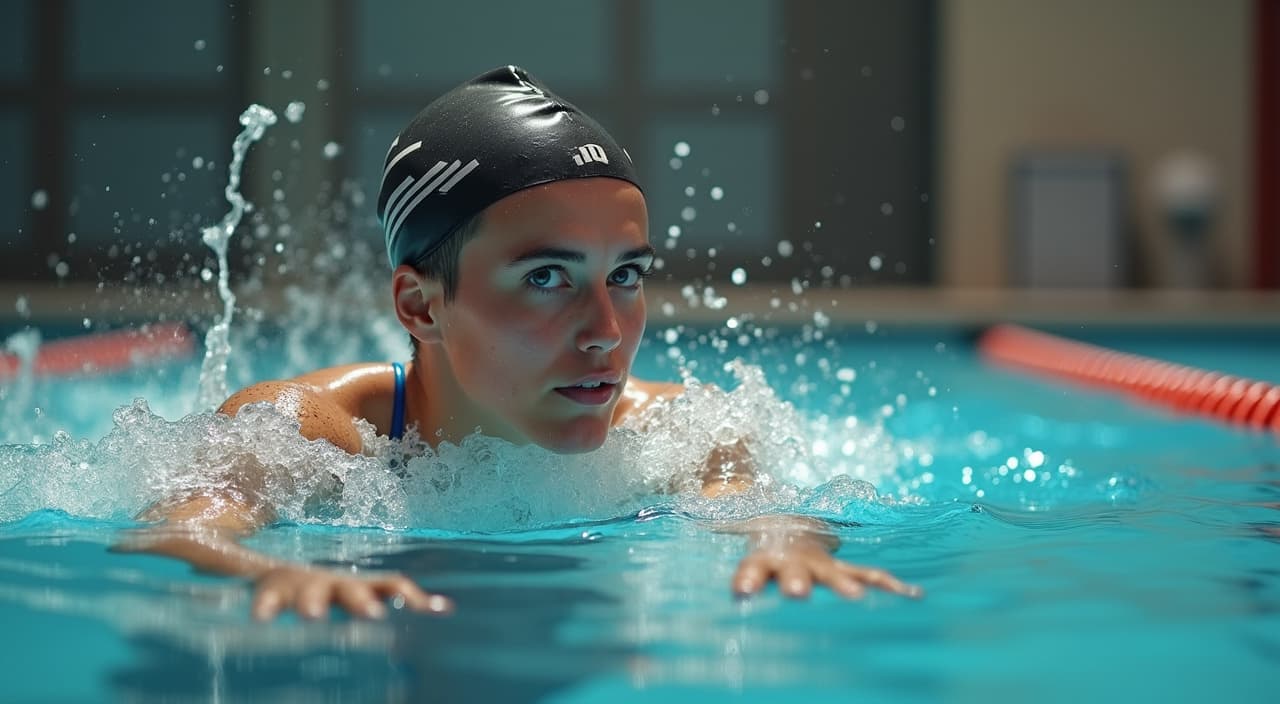
Swimming creates a unique physiological demand where buoyancy reduces impact but water resistance requires explosive power transfer. Unlike runners, swimmers rely heavily on posterior chain stability to maintain streamline efficiency and protect the glenohumeral joint from repetitive overhead stress. This program prioritizes dryland strength not just for muscle mass, but for neuromuscular coordination that translates directly to stroke rate and kick intensity. Research indicates that upper body strength gains outside the pool can improve VO2 max efficiency by reducing drag-related fatigue. However, simply lifting weights without periodization risks shoulder impingement, a leading cause of retirement in competitive athletes. A structured progressive plan ensures volume increases gradually, allowing connective tissue to adapt alongside muscle fibers. Furthermore, managing the extreme hunger post-pool is critical; without precise nutritional tracking, swimmers often consume excess calories meant for fuel into unnecessary fat storage. By integrating smart tracking with this 4-week cycle, you align your dryland workload with your aquatic volume, ensuring every rep serves a purpose in cutting lap times rather than adding injury risk. We utilize wave-loading principles to spike intensity mid-cycle before tapering for peak performance, mimicking the tapering used in race preparation. This approach maximizes glycogen replenishment rates and ensures your central nervous system remains fresh for key sets.
Why This Matters for Swimmers
Unstructured training poses severe risks for swimmers, primarily shoulder impingement caused by imbalanced rotator cuff development. Random workouts often neglect scapular stability, leading to chronic pain that forces time off the water. Additionally, the metabolic cost of swimming is notoriously difficult to estimate, making untracked eating a recipe for unintended weight gain despite high activity levels. Following a proper periodised plan mitigates these risks by balancing pushing and pulling movements systematically. It also allows for strategic deloading, preventing burnout during heavy training blocks. FitFlow’s workout tracking makes progressive overload easy to implement by logging exact loads and rest periods, removing guesswork from strength gains. When combined with Apple Health sync, you get a holistic view of your total weekly load, ensuring you don’t exceed recovery capacity. This data-driven approach transforms dryland from a chore into a precision tool for performance enhancement.
Swimming demands immense caloric output yet often neglects dryland conditioning. This guide bridges that gap with a 4-week strength protocol designed to cut lap times while protecting your shoulders. Utilize FitFlow’s tracking to manage the high-calorie intake required for recovery without unwanted fat gain. You will learn how to structure dryland sessions around your pool schedule to maximize power transfer and minimize injury risk effectively.
Increase dryland strength and power while maintaining shoulder health
Goal
3 to 4 days per week
Frequency
Intermediate
Level
Dumbbells, Resistance bands, Pull-up bar, Bench
Equipment
Key Principles
Scapular Stability First
Prioritize rear delt and rotator cuff work before heavy pressing to prevent impingement common in freestyle and butterfly strokes.
Caloric Surplus Management
Fuel high training volumes with nutrient-dense foods tracked via AI scanning to support recovery without excessive fat accumulation.
Periodized Volume
Gradually increase load through weeks 1-3, then reduce volume in week 4 to allow supercompensation before competition.
Cross-Device Sync
Sync swim metrics with strength logs to monitor total systemic fatigue and adjust training intensity accordingly.
Weekly Program
Focus on technique and establishing baseline strength with moderate loads.
Day 1 — Upper Body Push/Pull Balance
| Exercise | Sets | Reps | Rest | Notes |
|---|---|---|---|---|
| Dumbbell Floor Press | 3 | 10-12 | 90 sec | Keep elbows tucked to protect shoulders. |
| Bent Over Barbell Row | 3 | 10-12 | 90 sec | Focus on squeezing shoulder blades together. |
| Face Pulls | 3 | 15 | 60 sec | External rotation cue at end of movement. |
| Lateral Raises | 3 | 12 | 60 sec | Use light weight to avoid shrugging. |
| Plank | 3 | 45 sec | 60 sec | Maintain neutral spine alignment. |
Day 2 — Lower Body Power
| Exercise | Sets | Reps | Rest | Notes |
|---|---|---|---|---|
| Goblet Squats | 3 | 12 | 90 sec | Drive through heels for kick power. |
| Romanian Deadlifts | 3 | 10 | 90 sec | Feel stretch in hamstrings. |
| Walking Lunges | 3 | 10 each leg | 60 sec | Keep torso upright. |
| Calf Raises | 3 | 15 | 45 sec | Full extension at top. |
| Side Plank | 3 | 30 sec each | 45 sec | Stabilize hips. |
Day 3 — Core & Mobility
| Exercise | Sets | Reps | Rest | Notes |
|---|---|---|---|---|
| Hanging Leg Raises | 3 | 10 | 60 sec | Control the descent. |
| Russian Twists | 3 | 20 | 45 sec | Rotate from ribs, not lower back. |
| Band Pull-Aparts | 3 | 20 | 45 sec | Squeeze lats hard. |
| Cat-Cow Stretch | 2 | 1 min | 30 sec | Mobilize thoracic spine. |
| Dead Bug | 3 | 12 | 45 sec | Press lower back into floor. |
Recovery Guidance
Rinse immediately after pool sessions to remove chlorine which degrades skin barrier and slows healing.
Consume protein within 30 minutes post-swim to mitigate catabolic state from high-volume cardio.
Sleep 8+ hours nightly as growth hormone peaks during deep sleep crucial for tendon repair.
Use ice baths or contrast showers on heavy training days to reduce inflammation in shoulders.
Hydrate aggressively; water loss in chlorinated pools is often underestimated compared to sweat.
Frequently Asked Questions
Track Your Progress with FitFlow
Join 50,000+ users — including thousands of Swimmers — hitting their goals faster with AI-powered tracking.
Download FitFlow Free