50 Workout Ideas for Swimmers in 2026
Discover 50 workout ideas specifically designed for Swimmers. Filter by difficulty, equipment, and time to find the perfect exercise for your fitness level.
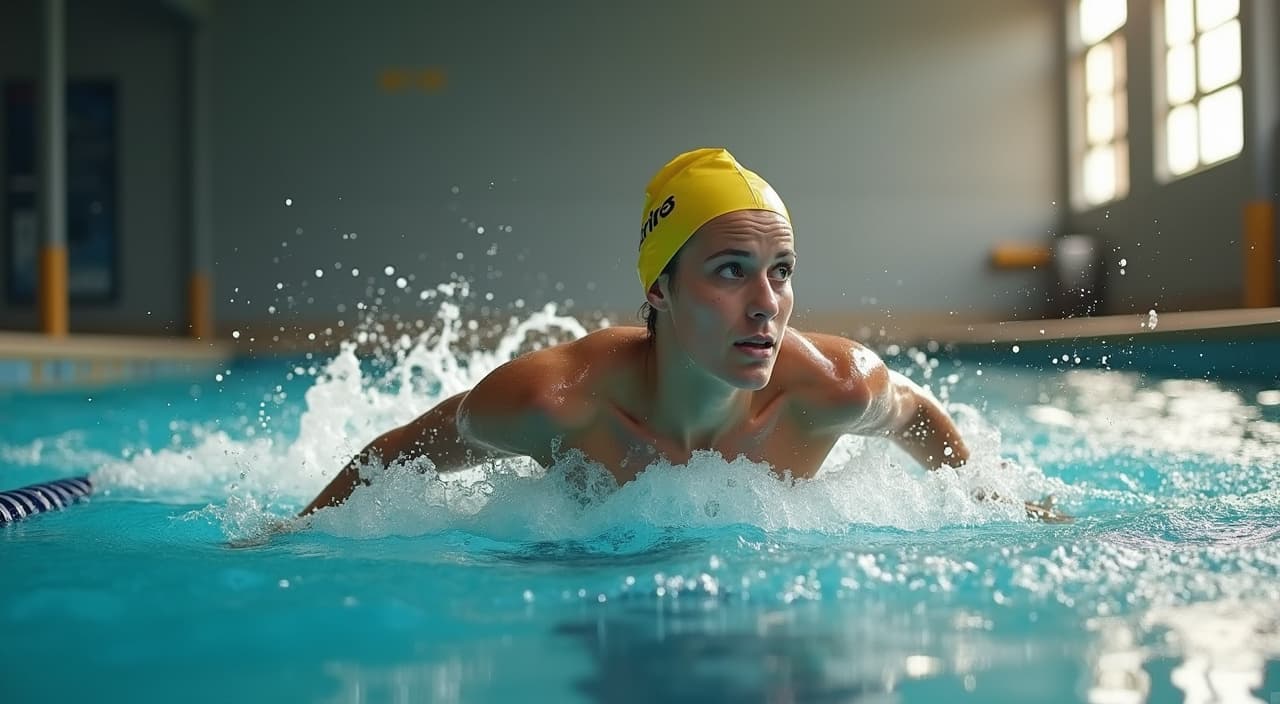
As a dedicated swimmer, you know the pool is where the magic happens, but relying solely on water resistance leaves critical gaps in your athletic profile. Dryland training isn't just about adding muscle; it's about correcting the imbalances caused by repetitive unilateral strokes and constant horizontal positioning. Without targeted strength work, you risk shoulder impingement and reduced propulsion efficiency, which can stall your lap times despite hours in the water. Furthermore, the caloric demand of high-volume training creates a unique nutritional challenge—fueling recovery without unwanted body fat gain requires precision. Conventional gym routines often ignore the rotational power needed for freestyle turnover or the posterior chain strength vital for kick stability. Research suggests that up to 40% of competitive swimmers suffer from overuse injuries due to neglected dryland conditioning. FitFlow addresses this by offering smart workout tracking tailored to your dryland sessions, ensuring every rep counts toward your aquatic goals. By integrating progress analytics with your Apple Health data, you get a holistic view of how land-based strength translates to underwater speed. This approach ensures you aren't just working harder, but smarter, aligning your physical conditioning directly with your competitive timeline. We understand the chlorine effects on recovery and the extreme hunger post-session, so our tools help you manage energy expenditure accurately rather than guessing.
Why This Matters for Swimmers
Selecting the right workouts is critical because swimming places unique stressors on the rotator cuff and lower back. Doing the wrong exercises can exacerbate existing inflammation or create new weaknesses that lead to chronic pain. Conversely, the compounding benefits of the right dryland regimen include faster turn times, stronger finishes, and improved posture in the water. However, tracking this progress manually is difficult when you are already managing intense pool schedules. FitFlow streamlines this process by syncing your activity data and providing visual charts that highlight improvements in strength and endurance. This prevents overtraining while maximizing the return on investment for every hour spent lifting weights. Ultimately, the difference between a good swimmer and an elite one often lies in their ability to maintain structural integrity under fatigue. These curated ideas prioritize joint health alongside power generation, ensuring longevity in the sport. Ignoring dryland work entirely is a common mistake that leads to plateauing performance, whereas a structured plan keeps your engine running smoothly through the season.
Swimming builds incredible endurance, but true speed comes from what you do out of the water. This curated list targets the specific muscle groups swimmers neglect while protecting vulnerable joints like shoulders and hips. Whether you're prepping for a meet or maintaining peak condition, these 50 dryland exercises bridge the gap between pool time and race day performance.
Band Pull-Aparts
#1Stand holding a resistance band with straight arms and pull apart until it touches your chest. This strengthens the rear delts and rhomboids to counteract hunched swimming posture.
Scapular Push-Ups
#2Perform a push-up keeping elbows locked while retracting and protracting the shoulder blades. Essential for stabilizing the shoulder girdle during the catch phase.
Cat-Cow Stretch
#3On hands and knees, alternate arching and rounding the spine to mobilize the thoracic vertebrae. Helps reduce stiffness from prolonged horizontal swimming positions.
Glute Bridges
#4Lie on your back and lift hips using glutes rather than lower back. Builds posterior chain strength crucial for powerful dolphin kicks.
Dead Bugs
#5Lie on back with arms and legs up, lowering opposite arm and leg while keeping lower back pressed to floor. Trains anti-extension core stability.
Wall Slides
#6Stand with back against wall and slide arms up and down while maintaining contact. Improves thoracic extension and shoulder mobility.
Bird-Dog
#7From tabletop position, extend opposite arm and leg simultaneously. Enhances balance and core coordination needed for streamlined starts.
Side Plank
#8Hold body in straight line supported by one forearm. Targets obliques essential for rotational power in freestyle and butterfly.
Bodyweight Squats
#9Lower hips back and down as if sitting in a chair. Builds foundational leg strength for push-offs off the wall.
Calf Raises
#10Rise onto toes and lower slowly. Strengthens calves for efficient ankle flexion during flutter kicks.
Superman Hold
#11Lift chest and legs off ground simultaneously while lying prone. Activates erector spinae to support spinal alignment in water.
Reverse Fly (Band)
#12Bend forward slightly and pull band apart horizontally. Isolates rear deltoids to protect shoulders from internal rotation.
Knee Push-Ups
#13Perform standard push-up on knees to reduce load while maintaining upper body pushing mechanics. Prepares chest and triceps for dryland volume.
Step-Ups
#14Step onto a bench or box alternating legs. Mimics the unilateral nature of swimming strokes and improves hip stability.
Arm Circles
#15Extend arms and rotate in small to large circles. Warms up shoulder joints before heavier dryland work.
Thoracic Rotations
#16On all fours, thread one arm under the other to rotate the upper spine. Counteracts tightness from repetitive twisting motions.
Leg Swings
#17Hold onto a wall and swing legs forward and backward. Loosens hip flexors and hamstrings for better streamline position.
Hip Openers
#18Sit in pigeon pose or similar stretch to release tight piriformis muscles. Prevents lower back strain from kicking.
Plank Jacks
#19Jump feet in and out while holding a plank position. Adds cardio intensity to core stabilization drills.
Clamshells
#20Lie on side and open top knee while keeping feet together. Strengthens glute medius for hip stability during turns.
Dumbbell Rows
#21Support yourself on a bench and row dumbbell to hip. Builds lat strength for a stronger pull phase.
Kettlebell Swings
#22Hinge at hips to swing kettlebell to chest height. Develops explosive hip drive used in underwater dolphin kicks.
Box Jumps
#23Explosively jump onto a sturdy box. Increases fast-twitch muscle fiber recruitment for faster starts.
Assisted Pull-Ups
#24Use a band or machine to assist pulling chin over bar. Builds vertical pulling strength for back width.
Pistol Squat (Partial)
#25Attempt single-leg squat with assistance. Challenges balance and unilateral leg strength significantly.
Single-Leg RDL
#26Hinge forward on one leg while extending other behind. Targets hamstrings and improves proprioception.
Medicine Ball Slams
#27Lift ball overhead and slam into ground with force. Translates rotational power to the water surface.
Battle Ropes
#28Create waves with heavy ropes for 30 seconds. Builds shoulder endurance and anaerobic capacity.
Farmer's Carry
#29Walk holding heavy weights at sides. Improves grip strength and core bracing under load.
Renegade Rows
#30Row while in plank position. Forces core to resist rotation while pulling.
Plank Jacks
#31Jump feet in and out while holding a plank position. Adds cardio intensity to core stabilization drills.
Mountain Climbers
#32Run knees to chest rapidly in plank position. Elevates heart rate while engaging core dynamically.
Jump Rope
#33Hop continuously on balls of feet. Improves foot speed and ankle elasticity for kicking.
Lateral Lunges
#34Step wide to side and sink hip back. Opens hips laterally for better streamline entry.
Weighted Clamshells
#35Add light dumbbell between ankles while doing clamshells. Increases resistance for glute medius activation.
Face Pulls
#36Pull cable attachment to forehead with external rotation. Crucial for shoulder health and posture correction.
Overhead Press
#37Press weight from shoulders to overhead. Builds shoulder stability required for high elbow catch.
Goblet Squats
#38Hold weight at chest while squatting. Encourages upright torso and deep hip flexion.
Russian Twists
#39Rotate torso side-to-side holding weight. Trains rotational core strength for stroke turnover.
Burpees
#40Full body movement combining squat, plank, and jump. Maximizes metabolic conditioning for race pace.
Weighted Pull-Ups
#41Attach weight belt or hold dumbbell between feet. Significantly increases back strength for powerful pulls.
Plyometric Push-Ups
#42Push off ground with enough force to clap hands. Develops explosive chest power for underwater phases.
Heavy Deadlifts
#43Lift barbell from floor to standing. Builds massive posterior chain strength for overall power transfer.
Olympic Cleans
#44Clean barbell to shoulders in one motion. Teaches triple extension and rapid force production.
Sprint Intervals
#45Run max effort sprints followed by rest. Simulates race pace demands and lactate threshold.
Weighted Sled Pushes
#46Push loaded sled across turf. Builds driving force without impact stress on joints.
Hanging Leg Raises
#47Hang from bar and raise legs to bar. Targets lower abs and hip flexors intensely.
Handstand Holds
#48Kick up into handstand against wall. Builds shoulder strength and inversion awareness.
Complex Circuits
#49Combine multiple exercises back-to-back without rest. Tests mental toughness and muscular endurance.
Deep Squat Holds
#50Hold bottom of squat with added weight for time. Builds tendon strength and mobility under load.
Frequently Asked Questions
Track Your Progress with FitFlow
Join 50,000+ users — including thousands of Swimmers — hitting their goals faster with AI-powered tracking.
Download FitFlow Free