The Complete Training Guide for Yoga Beginners (4-Week Program, 2026)
A complete 4-week training guide built for Yoga Beginners. Includes workout schedules, exercise descriptions, progressions, and recovery guidance.
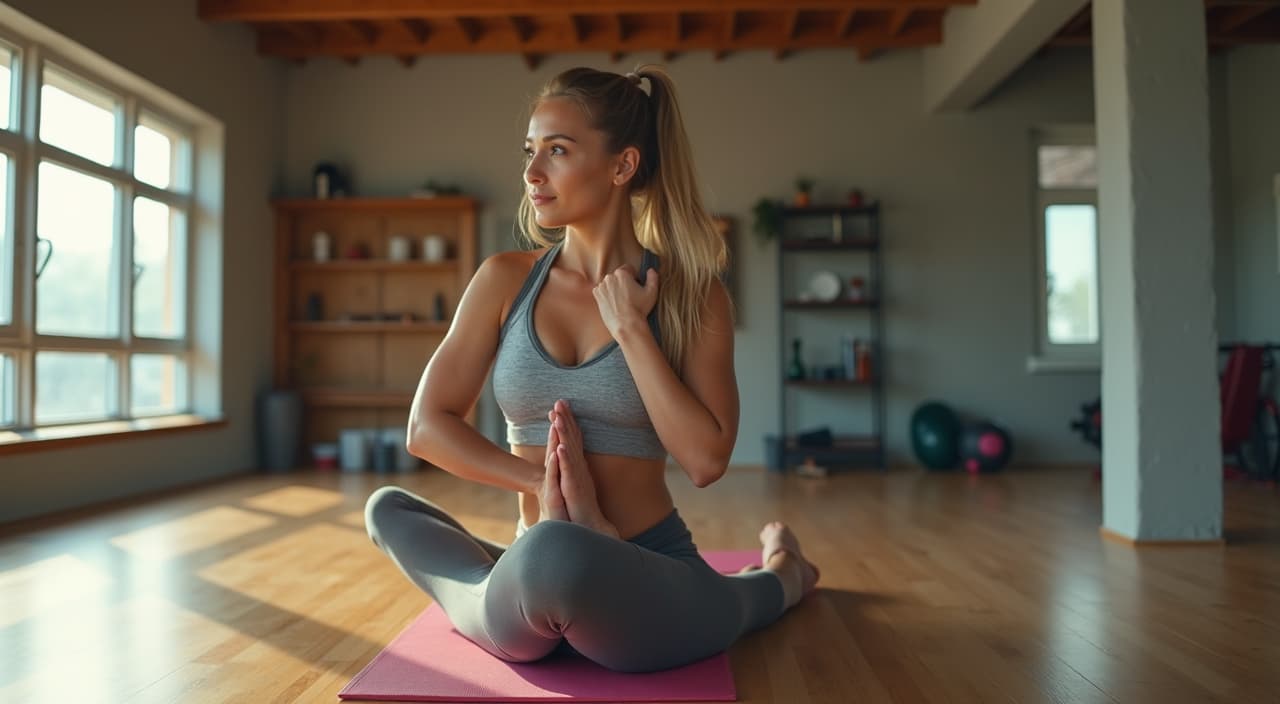
This 4-week program is grounded in the physiological reality that connective tissues adapt significantly slower than skeletal muscles. Unlike high-intensity interval training, yoga requires immense patience to safely lengthen fascia and regulate the autonomic nervous system. Research suggests that regular, low-intensity stretching combined with controlled breathing activates the parasympathetic nervous system, reducing cortisol levels more effectively than sporadic intense sessions. A structured progressive plan prevents the common beginner pitfall of 'overstretching' injured areas before they are ready. By following a periodised schedule, you allow your body to adapt gradually without triggering protective tension responses. FitFlow’s Smart Workout Tracking supports this philosophy by logging every session, ensuring you don't skip days due to forgetfulness. This data-driven approach transforms vague intentions into measurable habits. We emphasize breath work alongside movement, as controlled respiration signals safety to the brain, allowing deeper relaxation and better sleep quality. Random training leads to inevitable plateaus and frustration; this curriculum ensures steady gains in range of motion and mental clarity. Furthermore, the visual progress charts help you see improvements that aren't always obvious day-to-day, keeping you engaged during the initial learning curve where motivation typically fades.
Why This Matters for Yoga Beginners
Unstructured yoga practice carries significant risks for beginners, primarily hyperextension injuries and joint instability. Without proper progression, attempting advanced poses like headstands too early can damage ligaments. Conversely, inconsistent training leads to rapid loss of flexibility gains and eventual burnout. Following a proper periodised plan mitigates these risks by balancing intensity with adequate recovery time. It ensures you build a foundation of stability before increasing depth in stretches. FitFlow's workout tracking makes progressive overload easy to implement by recording your hold times and session frequency. Seeing your consistency streak grow provides psychological reinforcement that combats the urge to quit. Additionally, the app's ability to sync with Apple Health allows you to monitor stress metrics alongside physical output. This holistic view highlights how yoga impacts your overall wellness, not just your flexibility. Ultimately, a structured guide turns yoga from a chore into a sustainable lifestyle change that protects your long-term mobility.
Embarking on a yoga journey often feels intimidating when surrounded by advanced practitioners. This guide removes the guesswork, offering a safe path to flexibility and stress relief. Designed specifically for those new to mat practice, we prioritize consistent habit formation over complex poses. You will learn foundational movements that build strength without strain, ensuring you stay motivated while mastering the art of mindful breathing and body awareness.
Build flexibility, reduce stress, and establish a consistent home practice
Goal
3 to 4 sessions per week
Frequency
Beginner
Level
Yoga mat, comfortable clothing, optional blocks or bolster
Equipment
Key Principles
Breath Before Movement
Always initiate movement with an inhale and release with an exhale to maintain nervous system calmness.
Respect Tension
Distinguish between productive stretch sensation and sharp pain; never force joints beyond their current range.
Consistency Over Intensity
Shorter, frequent sessions yield better long-term results than occasional intense practices.
Mindful Progression
Increase hold times or depth only when alignment remains stable and pain-free.
Weekly Program
Focus on basic alignment and establishing a connection between breath and movement.
Day 1 — Morning Wake Up Flow
| Exercise | Sets | Reps | Rest | Notes |
|---|---|---|---|---|
| Cat-Cow Stretch | 3 | 10 breaths | 30 sec | Move slowly with your spine, arching on inhale and rounding on exhale. |
| Child's Pose | 2 | 1 minute | 30 sec | Rest forehead on the mat to relax the neck and shoulders. |
| Downward Facing Dog | 3 | 30 sec | 30 sec | Bend knees generously if hamstrings are tight. |
| Mountain Pose | 2 | 1 minute | 30 sec | Stand tall, feet hip-width apart, palms facing forward. |
| Seated Forward Fold | 2 | 45 sec | 30 sec | Keep back straight; hinge from hips rather than rounding. |
Day 3 — Stability & Balance
| Exercise | Sets | Reps | Rest | Notes |
|---|---|---|---|---|
| Warrior I | 3 | 30 sec each side | 30 sec | Keep front knee aligned over ankle. |
| Tree Pose | 3 | 30 sec each side | 30 sec | Place foot on inner calf, avoid pressing on knee joint. |
| Plank Pose | 3 | 20 sec | 30 sec | Engage core to protect lower back. |
| Cobra Pose | 3 | 30 sec | 30 sec | Press into hands to lift chest, keep elbows tucked. |
| Bridge Pose | 3 | 30 sec | 30 sec | Lift hips using glutes, not lower back. |
Day 5 — Gentle Hip Openers
| Exercise | Sets | Reps | Rest | Notes |
|---|---|---|---|---|
| Pigeon Pose | 2 | 1 minute each side | 30 sec | Use a pillow under hip for comfort if needed. |
| Butterfly Pose | 2 | 1 minute | 30 sec | Flap knees gently or press them down softly. |
| Low Lunge | 3 | 45 sec each side | 30 sec | Drop back knee to cushion the floor. |
| Twisted Chair | 2 | 30 sec each side | 30 sec | Rotate torso away from front leg. |
| Savasana | 1 | 5 minutes | 0 sec | Lie flat, close eyes, and breathe deeply. |
Recovery Guidance
Prioritize 7-8 hours of sleep nightly to allow fascia to repair overnight.
Drink at least 2 liters of water daily to maintain tissue elasticity.
Use foam rolling on calves and quads post-practice to release tension.
Schedule at least one full rest day between active yoga sessions.
Apply heat therapy to stiff joints before morning stretching routines.
Frequently Asked Questions
Track Your Progress with FitFlow
Join 50,000+ users — including thousands of Yoga Beginners — hitting their goals faster with AI-powered tracking.
Download FitFlow Free