How Sleep Affects Weight Loss More Than You Think
Reviewed by the fitness & nutrition editorial team · Certified personal trainers & nutrition coaches

The Underrated Power of Sleep in Weight Loss
When you embark on a weight loss journey, the usual suspects are always top of mind: diet and exercise. You meticulously track calories, hit the gym, and aim for consistency. Yet, there's a crucial, often underestimated factor that can make or break your progress: sleep. While you might consider sleep a passive activity, it's a period of intense restoration and regulation for your body, directly influencing your metabolism, appetite, and energy levels. Cutting corners on sleep doesn't just leave you feeling groggy; it actively sabotages your weight loss efforts in ways you might not even realize.
Think about it: how often do you prioritize an extra hour of work or binge-watching over an extra hour of sleep? The truth is, sacrificing sleep for other activities might be counterproductive to your health goals, particularly when it comes to shedding pounds. Research consistently shows a strong link between chronic sleep deprivation and an increased risk of obesity, making a compelling case for sleep as the third pillar of effective weight management, alongside nutrition and physical activity.
Prioritizing sleep is not a luxury; it's a fundamental component of sustainable weight loss and overall well-being.
In this comprehensive guide, we'll delve into the intricate relationship between sleep and weight loss, exploring the hormonal shifts, metabolic changes, and behavioral impacts that occur when you don't get enough quality rest. More importantly, we'll provide actionable strategies to optimize your sleep, helping you unlock its full potential as a powerful ally in your quest for a healthier, fitter you.

The Hormonal Rollercoaster: How Sleep Deprivation Skews Your Appetite
At the heart of sleep's influence on weight loss lies its profound impact on your endocrine system, specifically the hormones that regulate hunger and satiety. When you skimp on sleep, your body's delicate hormonal balance goes haywire, making it incredibly difficult to control your appetite and resist cravings.
Ghrelin and Leptin: The Hunger Games
- Ghrelin: The Hunger Hormone: Often dubbed the 'hunger hormone,' ghrelin is produced in your stomach and signals to your brain when it's time to eat. Sleep deprivation significantly increases ghrelin levels. More ghrelin means you feel hungrier, even if your body doesn't actually need more fuel.
- Leptin: The Satiety Signal: Conversely, leptin is produced by fat cells and tells your brain when you're full, helping to suppress appetite. When you're sleep-deprived, leptin levels decrease. So, not only are you hungrier (more ghrelin), but you also feel less satisfied after eating (less leptin). This double whammy creates a powerful drive to overeat.
Studies have shown that even a single night of restricted sleep can lead to changes in these crucial hormones, prompting individuals to consume hundreds of extra calories the following day.
Cortisol and Insulin: Stress and Sugar Storage
- Cortisol: The Stress Hormone: Lack of sleep is a form of stress for your body, triggering an increase in cortisol production. Elevated cortisol levels not only promote fat storage, particularly in the abdominal area (visceral fat), but also increase appetite and cravings for high-sugar, high-fat foods. This creates a vicious cycle: stress from poor sleep leads to more cortisol, which leads to more fat storage and cravings, which can further disrupt sleep.
- Insulin Sensitivity: Sleep deprivation also impairs insulin sensitivity. Insulin is the hormone responsible for shuttling glucose from your bloodstream into your cells for energy. When your cells become less responsive to insulin, your body has to produce more of it to get the job done. High insulin levels can lead to increased fat storage and make it harder to burn fat, contributing to insulin resistance and a higher risk of type 2 diabetes.
Understanding these hormonal shifts reveals that the battle against the bulge isn't just about willpower; it's a physiological struggle amplified by insufficient sleep. Giving your body adequate rest is essential for keeping these powerful hormones in check and making healthier food choices easier.
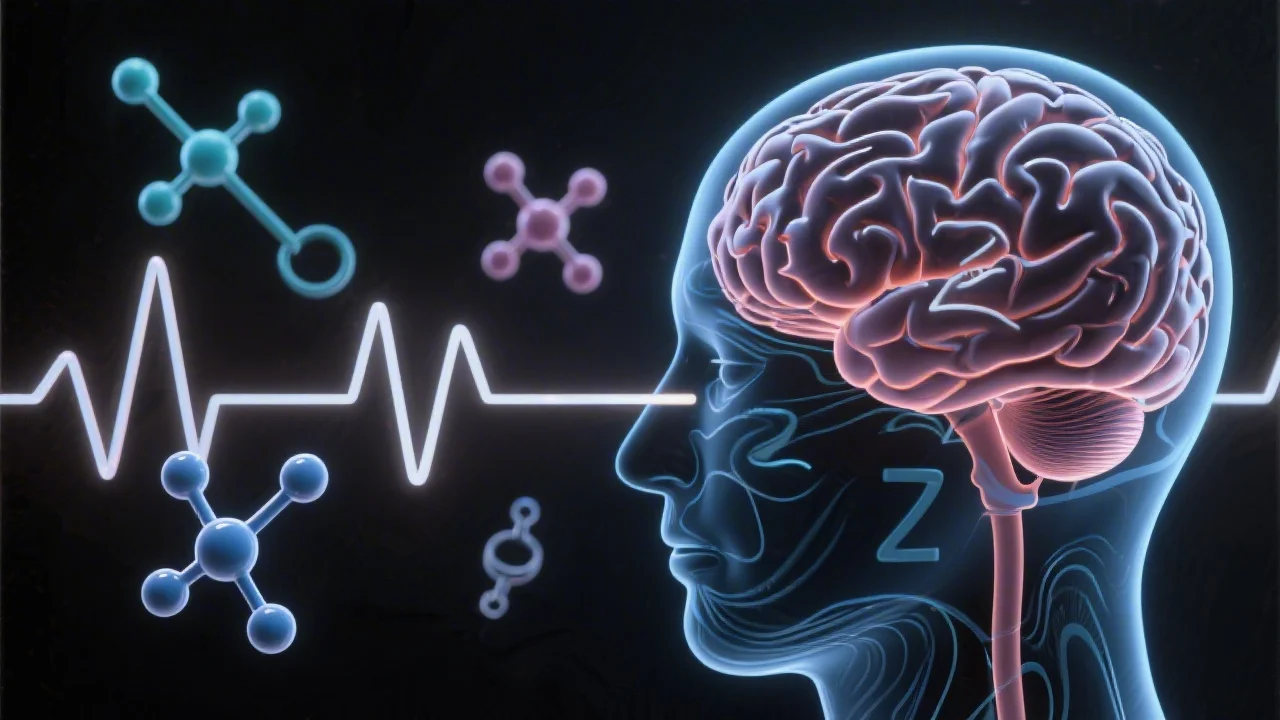
Metabolic Mayhem: How Poor Sleep Slows Your Fat-Burning Engine
Beyond appetite regulation, sleep plays a critical role in your metabolic rate and how efficiently your body uses and stores energy. When you consistently get less than the recommended 7-9 hours of sleep, your metabolism can take a significant hit, making weight loss an uphill battle.
Slower Metabolism and Reduced Energy Expenditure
One of the most direct ways sleep deprivation impacts weight loss is by slowing down your basal metabolic rate (BMR). Your BMR is the number of calories your body burns at rest to maintain basic bodily functions. While the exact mechanisms are complex, research suggests that chronic sleep loss can reduce energy expenditure. This means your body burns fewer calories throughout the day, even when you're not exercising, making it easier to accumulate excess weight.
Impaired Glucose Metabolism
As mentioned earlier, poor sleep negatively affects insulin sensitivity. This impairment in glucose metabolism means your body struggles to efficiently process carbohydrates. Instead of using glucose for immediate energy, your body is more likely to store it as fat. Over time, this can lead to increased body fat, particularly around the midsection, and contribute to the development of metabolic syndrome.
Muscle Preservation vs. Fat Loss
When you're trying to lose weight, the goal is typically to shed fat while preserving muscle mass. Muscle tissue is metabolically active, meaning it burns more calories at rest than fat tissue. However, studies indicate that when sleep-deprived individuals lose weight, a higher percentage of that weight comes from lean muscle mass rather than fat. This is counterproductive to long-term weight management, as losing muscle further slows your metabolism and makes it harder to keep the weight off.
Quality sleep ensures your body is primed to burn fat, efficiently process nutrients, and maintain vital muscle mass.
In essence, sleep deprivation transforms your body into a less efficient fat-burning machine, making every calorie you consume more likely to be stored rather than utilized. Prioritizing sleep is like giving your metabolism a much-needed tune-up, allowing it to function optimally and support your weight loss goals.

Craving Control & Food Choices: The Sleep-Deprived Diet
Have you ever noticed that after a restless night, you're more likely to reach for a sugary snack or a greasy meal instead of a crisp salad? This isn't just a coincidence; it's a direct consequence of sleep deprivation influencing your brain's decision-making centers and amplifying cravings.
Impact on Brain Function and Reward Centers
Lack of sleep impairs the prefrontal cortex, the part of your brain responsible for executive functions like decision-making, impulse control, and problem-solving. When this area is compromised, your ability to make rational, healthy food choices diminishes. At the same time, the brain's reward centers become more activated in response to unhealthy, high-calorie foods. This means you not only have less willpower to resist temptation but also find those tempting foods even more appealing.
Increased Cravings for Unhealthy Foods
The hormonal shifts (higher ghrelin, lower leptin, elevated cortisol) discussed earlier directly contribute to intense cravings for foods high in sugar, fat, and salt. These foods provide a quick burst of energy and pleasure, which the tired brain seeks to compensate for the fatigue. Unfortunately, this often leads to a cycle of poor food choices, energy crashes, and further disruptions to sleep patterns.
Larger Portion Sizes and Increased Snacking
Beyond craving specific foods, sleep-deprived individuals tend to consume larger portion sizes and snack more frequently throughout the day. The combination of increased hunger signals and decreased satiety means you eat more before feeling full, and the desire for quick energy leads to more impulsive snacking between meals. These extra calories, often from nutrient-poor sources, quickly add up and derail weight loss efforts.
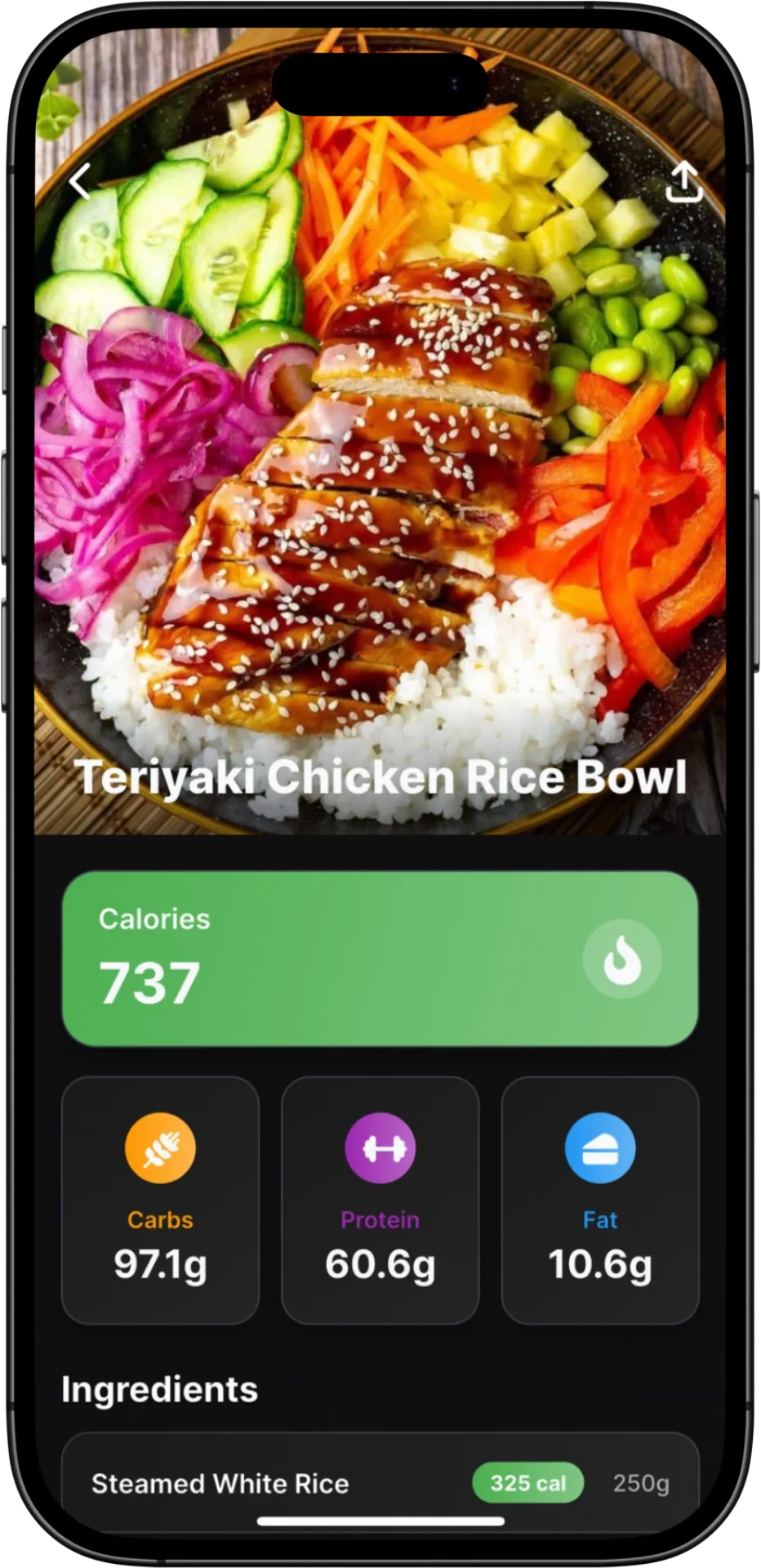
This is where smart tools become invaluable. With
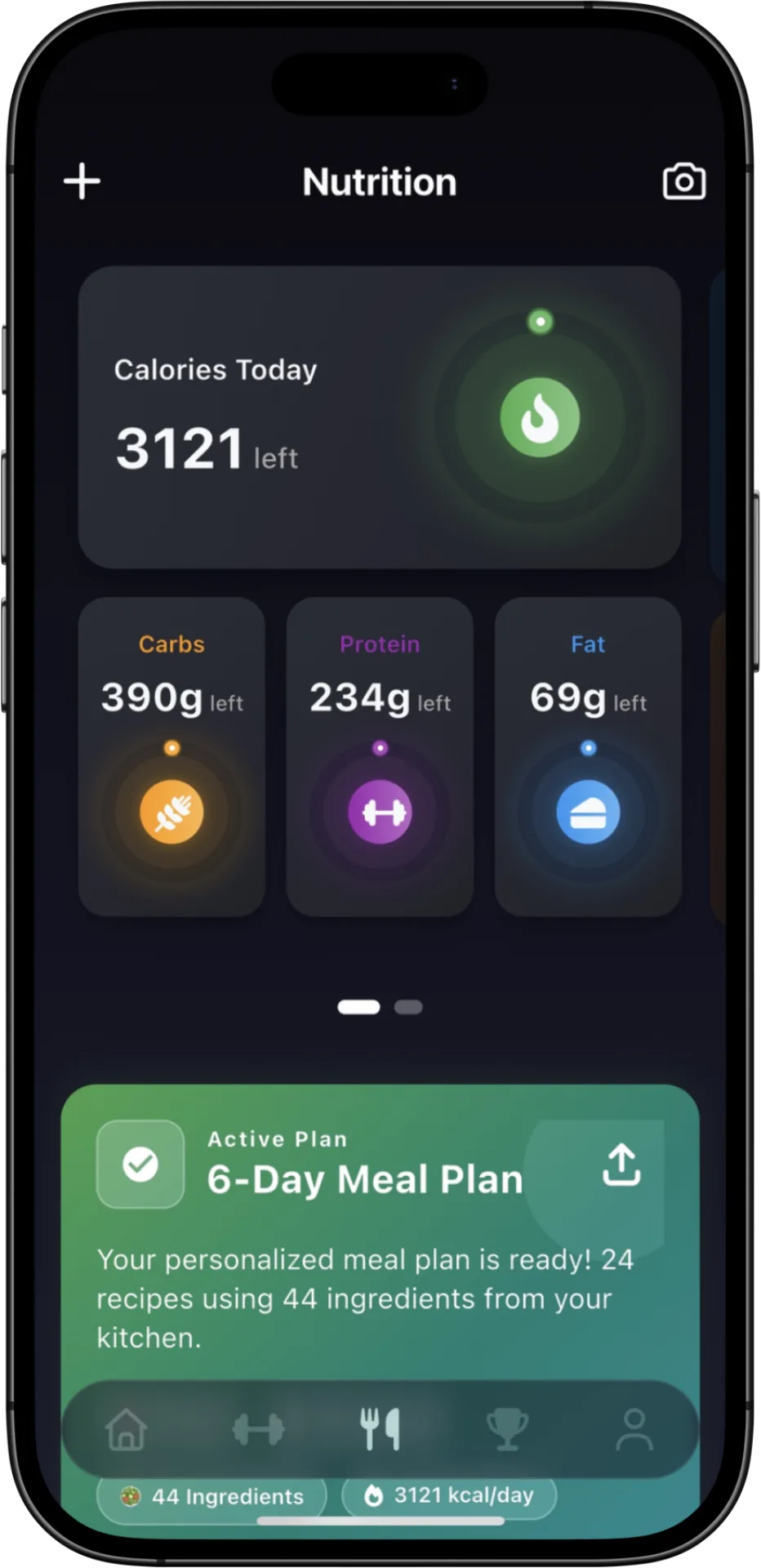
FitFlow's AI Food Scanning & Nutrition Tracking, you can snap a photo of your meal for instant calorie counting and macro breakdowns, even when your willpower is low due to a rough night. The app recognizes over 2 million foods and provides instant nutrition insights, making it up to 5x faster than manual logging. For packaged foods, barcode scanning offers 95%+ accuracy. You can also use the recipe builder for homemade meals or rely on official nutritional data from major restaurant chains, ensuring you stay within your targets even when cravings strike.
FitFlow empowers you to make informed food choices, even when sleep deprivation makes it harder to resist unhealthy cravings.
By understanding how sleep impacts your food choices, you can better prepare for those moments of vulnerability and leverage tools like FitFlow to maintain consistency in your nutrition, regardless of how much sleep you managed to get.
Energy Levels & Workout Performance: Too Tired to Train
It's no secret that a good night's sleep leaves you feeling energized and ready to tackle the day. Conversely, sleep deprivation saps your energy, making even simple tasks feel like a monumental effort. This direct impact on energy levels has significant implications for your physical activity and, by extension, your weight loss journey.
Reduced Motivation and Exercise Compliance
When you're tired, the last thing you want to do is hit the gym or go for a run. Sleep deprivation directly impacts your motivation and willpower, making it incredibly difficult to stick to your workout routine. You might skip workouts entirely, or if you do manage to exercise, your intensity and duration are likely to suffer. This reduction in physical activity means fewer calories burned and less progress toward your fitness goals.
Decreased Performance and Increased Injury Risk
Beyond motivation, lack of sleep impairs physical performance. Your reaction time, endurance, strength, and coordination all suffer when you're sleep-deprived. This means your workouts are less effective – you can't lift as heavy, run as fast, or maintain intensity for as long. Furthermore, fatigue increases your risk of injury, as your focus and motor control are diminished, potentially leading to setbacks in your training.
Impaired Recovery
Sleep is a critical period for muscle repair and recovery. During deep sleep stages, your body releases growth hormone, which is essential for tissue repair and muscle growth. Insufficient sleep hinders this recovery process, leaving your muscles sore and fatigued, making subsequent workouts less effective and increasing the risk of overtraining.
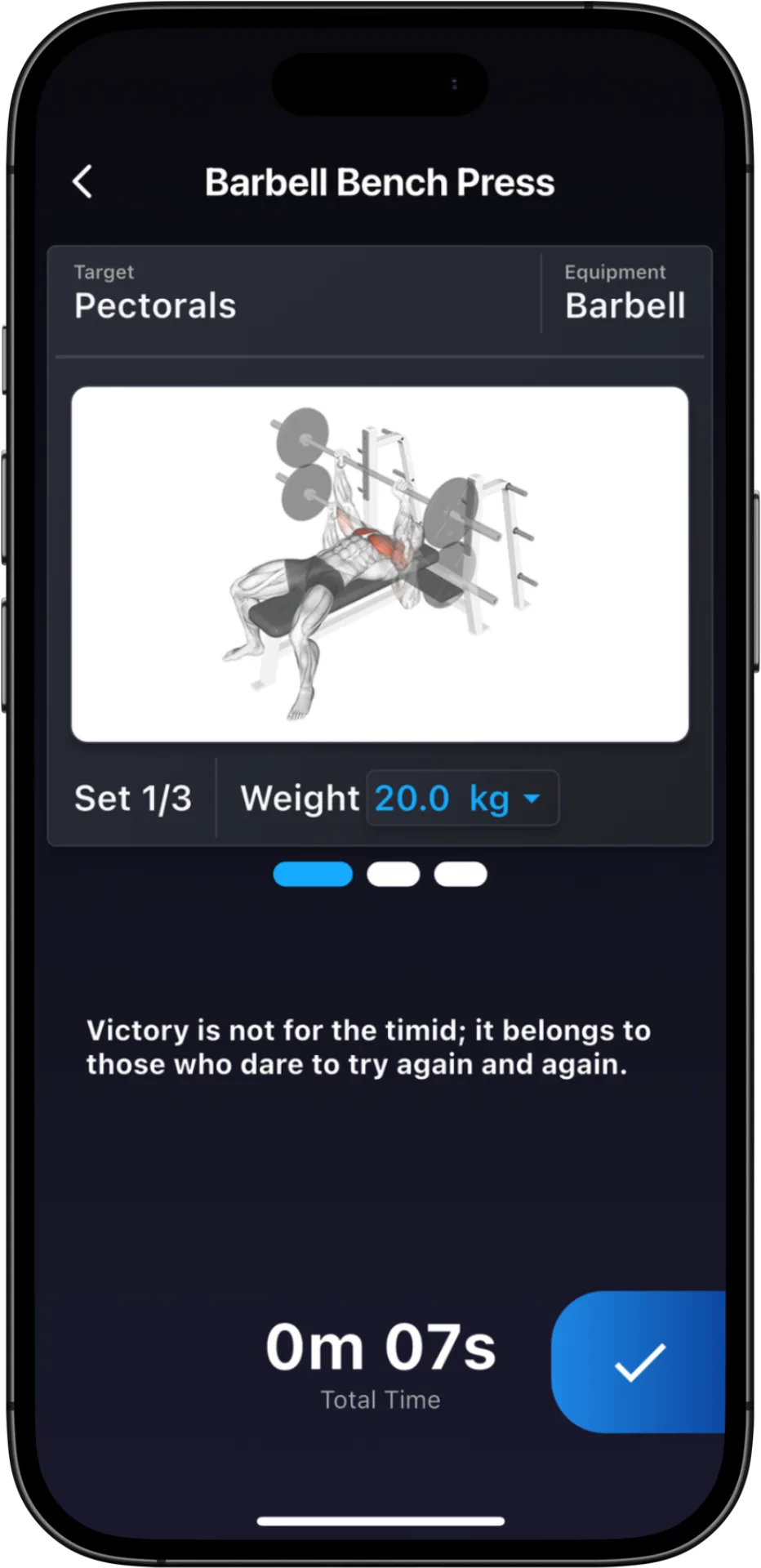
This is where
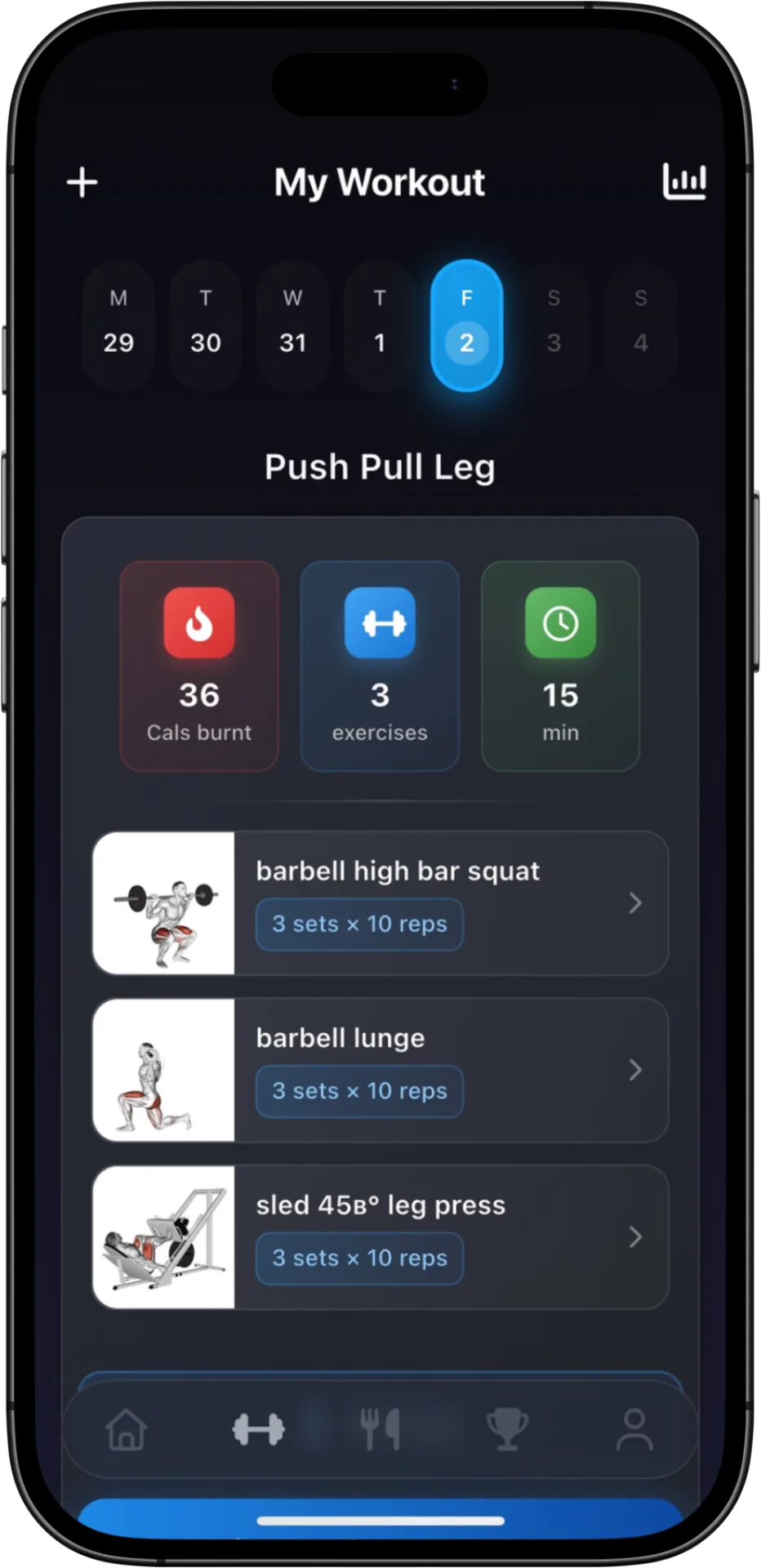
FitFlow's Smart Workout Tracking becomes an indispensable partner. With over 1,000 guided exercises and video demonstrations, FitFlow helps you make the most of your energy, whatever your sleep quality. You can track sets, reps, and rest periods in real-time, receiving intelligent form guidance and exercise recommendations. Whether you're aiming for weight loss, strength training, or cardio, FitFlow's customizable workout journeys and detailed cardio tracking system (for running, walking, cycling) ensure that every minute you dedicate to exercise is effective and contributes to your goals, even on days when your energy might not be at its peak.
FitFlow helps you optimize your workouts and maintain consistency, ensuring your efforts translate into tangible progress, even when sleep challenges your energy.
By maximizing the efficiency of your workouts with FitFlow, you can mitigate some of the negative effects of occasional sleep deprivation, ensuring your physical activity still contributes meaningfully to your weight loss and fitness objectives.
Beyond the Scale: Body Composition, Recovery, and Long-Term Health
Weight loss isn't just about the number on the scale; it's about improving your body composition – reducing body fat while preserving or even building lean muscle mass. Sleep plays a critical, often overlooked, role in achieving this healthier composition and supporting your long-term well-being.
Preserving Lean Muscle Mass
As discussed, sleep deprivation can lead to a greater proportion of weight lost coming from muscle rather than fat. This is detrimental because muscle is metabolically active, burning more calories at rest. Preserving muscle mass is key to maintaining a healthy metabolism and preventing weight regain. Quality sleep supports the hormonal environment (e.g., growth hormone release) necessary for muscle repair and growth, ensuring your body burns fat while protecting your valuable muscle.
Enhanced Physical and Mental Recovery
Sleep is the ultimate recovery tool. It allows your body to repair tissues, consolidate memories, and process emotions. Adequate sleep reduces inflammation, boosts your immune system, and helps you manage stress – all factors that indirectly support weight loss by keeping your body healthy and resilient. When you're well-rested, you're better equipped to handle the demands of a calorie-restricted diet and a consistent exercise routine.
Improved Mood and Reduced Stress
Chronic sleep deprivation is a significant stressor, leading to increased irritability, anxiety, and even symptoms of depression. These negative emotional states can trigger emotional eating, reduce motivation for healthy habits, and make it harder to stick to a weight loss plan. Prioritizing sleep improves your mood, enhances your mental resilience, and helps you make more mindful choices throughout the day, fostering a positive feedback loop for better health outcomes.
Tracking your progress beyond just weight is crucial for understanding your body's response to your efforts.
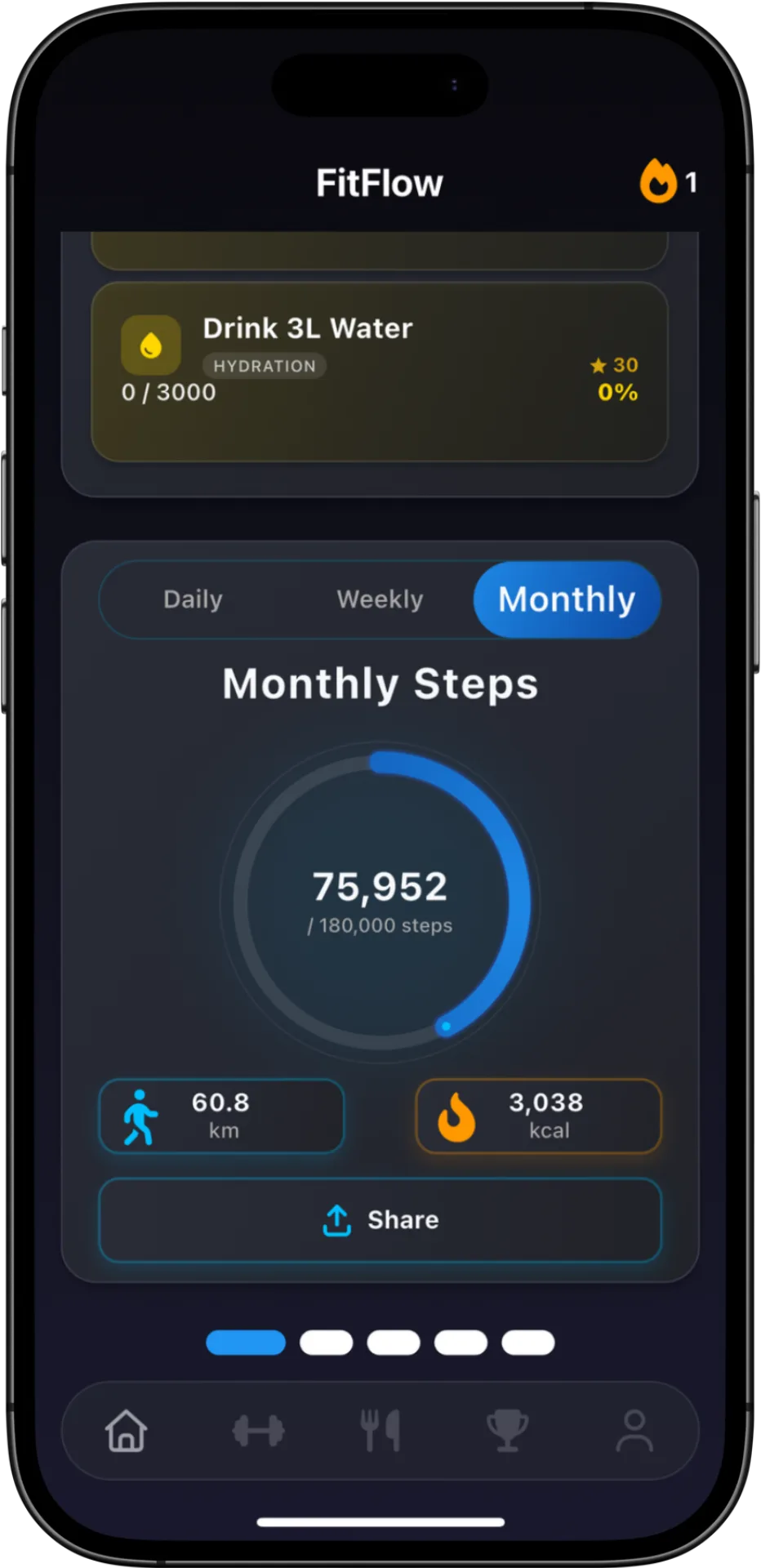
FitFlow's Progress Analytics & Goal Setting allows you to track not only your weight but also your body fat with visual charts. You can monitor personal records, earn achievement badges, and view detailed fitness and nutrition analytics. This holistic view helps you see the broader impact of your healthy habits, including good sleep, on your body composition and overall fitness, celebrating milestones and keeping you motivated for the long haul.
FitFlow empowers you to track comprehensive progress, celebrating improvements in body composition and overall well-being, not just the number on the scale.
By focusing on quality sleep, you're not just aiming for a lower number on the scale; you're investing in a healthier body composition, improved recovery, and enhanced mental well-being, all of which contribute to sustainable weight loss and a higher quality of life.
Practical Strategies for Better Sleep: Optimize Your Rest, Optimize Your Results
Now that you understand the profound impact of sleep on your weight loss journey, the next step is to implement strategies to improve your sleep hygiene. Small, consistent changes can make a big difference in the quality and quantity of your rest.
1. Stick to a Consistent Sleep Schedule
- Go to bed and wake up at roughly the same time every day, even on weekends. This helps regulate your body's natural sleep-wake cycle (circadian rhythm).
2. Create a Relaxing Bedtime Routine
- Wind down 30-60 minutes before bed with calming activities like reading a book, taking a warm bath, or practicing gentle stretching or meditation.
- Avoid stimulating activities like intense workouts, work, or heated discussions close to bedtime.
3. Optimize Your Sleep Environment
- Ensure your bedroom is dark, quiet, and cool (ideally between 60-67°F or 15-19°C).
- Block out light with blackout curtains and use earplugs or a white noise machine if needed.
- Invest in a comfortable mattress and pillows.
4. Be Mindful of Diet and Drink
- Limit Caffeine and Alcohol: Avoid caffeine in the late afternoon and evening, as its stimulating effects can last for hours. While alcohol might initially make you feel drowsy, it disrupts sleep quality later in the night.
- Avoid Heavy Meals Before Bed: Finish eating at least 2-3 hours before bedtime to allow for digestion.
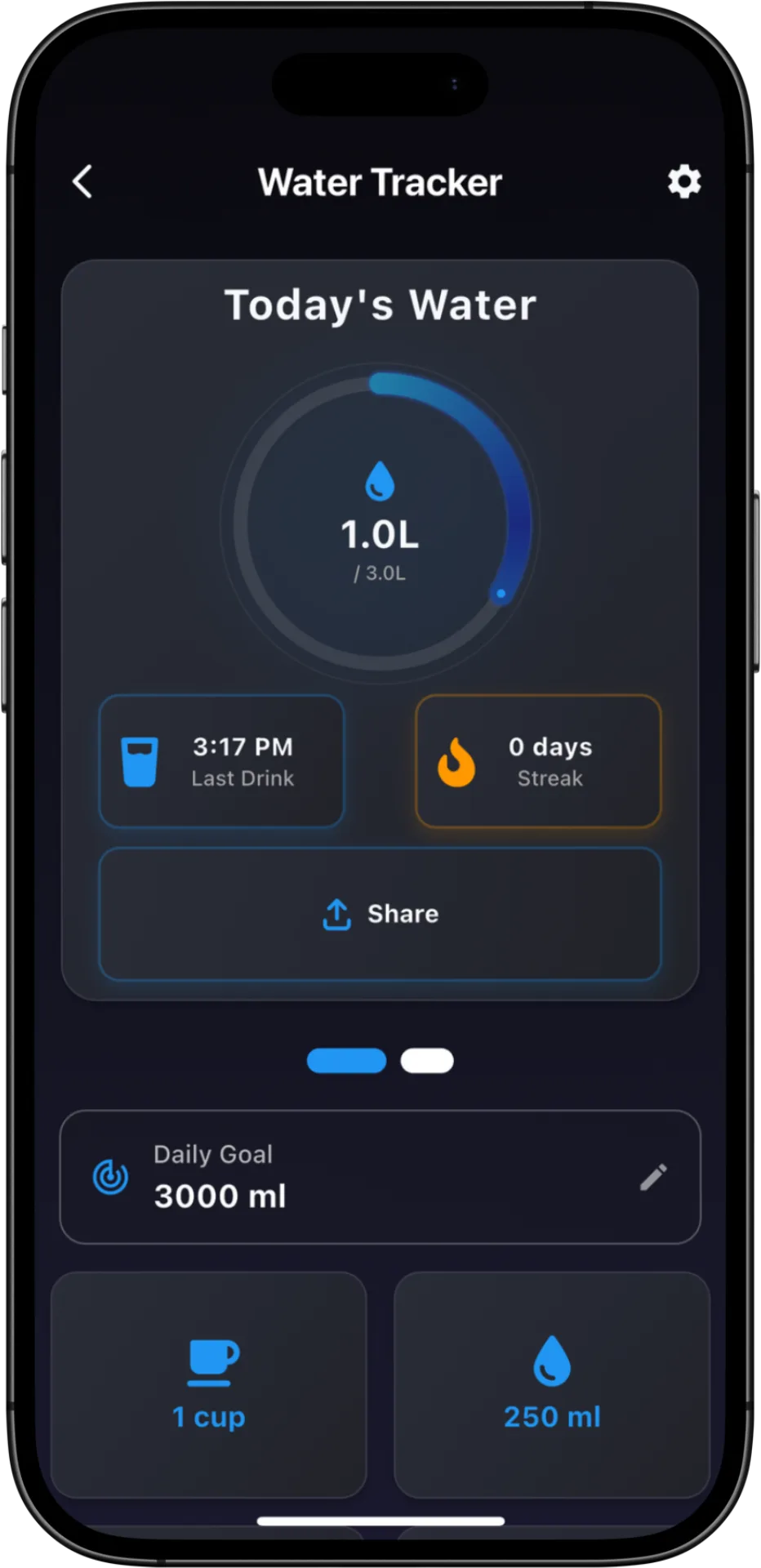
- Stay Hydrated: While you don't want to drink too much right before bed to avoid nighttime bathroom trips, ensuring adequate hydration throughout the day is crucial for overall health and can indirectly support sleep.
FitFlow's water intake tracker can help you monitor your daily hydration goals, ensuring you're well-hydrated without overdoing it before bed.
5. Limit Screen Time Before Bed
- The blue light emitted from smartphones, tablets, and computers can interfere with melatonin production, the hormone that signals to your body that it's time to sleep. Aim to put away screens at least an hour before bed.
6. Incorporate Regular Physical Activity
- Exercise can significantly improve sleep quality, but timing is key. Aim for moderate-to-vigorous activity during the day, but avoid intense workouts too close to bedtime.
7. Manage Stress
- Practice stress-reduction techniques like mindfulness, deep breathing exercises, or journaling. High stress levels can make it difficult to fall asleep and stay asleep.
Implementing these strategies takes time and consistency, but the rewards – better sleep, improved energy, and more effective weight loss – are well worth the effort. Think of these changes as an investment in your health, just as important as your diet and exercise regimen.

The FitFlow Advantage: Your Holistic Partner for Sleep, Weight Loss & Well-being
Understanding the critical role of sleep in weight loss is the first step; integrating this knowledge into your daily life is where true transformation happens. FitFlow is designed to be your comprehensive, AI-powered partner, helping you manage all pillars of health – nutrition, exercise, and indirectly, even sleep – to achieve your weight loss and wellness goals.
- Precision Nutrition Tracking: Even when sleep deprivation makes you crave unhealthy foods, FitFlow's AI Food Scanning and barcode scanner empower you to quickly and accurately log your meals. Understand your macro breakdowns, manage dietary preferences, and build custom meal plans to keep your nutrition on track, ensuring your body gets the right fuel without excess calories.
- Optimized Workout Journeys: When energy levels fluctuate due to sleep, FitFlow's Smart Workout Tracking provides over 1,000 guided exercises with video demonstrations and intelligent form guidance. Customize your workout journeys and track progress effectively, ensuring your physical activity remains consistent and efficient, no matter how much sleep you got the night before.
- Comprehensive Progress Analytics: FitFlow goes beyond the scale. Track your weight, body fat, steps, and water intake with visual charts. Monitor personal records and celebrate milestones, giving you a holistic view of your progress and the positive impact of all your healthy habits, including improved sleep.
- Motivation & Consistency: The app's daily motivational quotes, achievement system, and progress reminders help you stay engaged and consistent. Building healthy habits, including good sleep hygiene, becomes easier when you have a supportive system encouraging you every step of the way.
- Seamless Integration: Sync FitFlow with Apple Health, Google Fit, Fitbit, and Garmin to consolidate all your health data in one place, providing a complete picture of your activity, nutrition, and sleep patterns.
By providing tools that make healthy eating, effective exercise, and comprehensive progress tracking effortless, FitFlow helps you create a lifestyle where sleep can thrive. When your nutrition is balanced, your body is active, and your progress is clear, you create the optimal environment for quality sleep, which in turn, fuels your weight loss success.
FitFlow empowers you to build a holistic foundation for weight loss, where every aspect of your health, including quality sleep, works in harmony.
Don't let inadequate sleep be the silent sabotager of your weight loss journey. Embrace the power of rest, combine it with smart nutrition and effective exercise, and let FitFlow guide you toward a healthier, happier you.
Sources & References
- Isolated and Combined Effects of Moderate Normobaric Hypoxia and Sleep Restriction on Energy Intake and Food Reward — Clavé P, Fabries P, Beauchamps V (2025)
- Circadian Clock Deregulation and Metabolic Reprogramming: A System Biology Approach to Tissue-Specific Redox Signaling and Disease Development — Konakchieva R, Mladenov M, Konaktchieva M (2025)

FitFlow Editorial Team
Fitness & Nutrition Editorial TeamCertified personal trainers & nutrition coaches
The FitFlow Editorial Team is a group of certified personal trainers, nutrition coaches, and fitness writers who translate exercise science and nutrition research into practical, actionable guidance. Every article is grounded in peer-reviewed sources and reviewed for accuracy before publishing.
Frequently Asked Questions
Who is this guide for?
This guide is for anyone focused on weight loss and looking for practical, sustainable progress.
How quickly can I apply these recommendations?
Most recommendations are designed for immediate implementation. Start with one change today, then layer improvements weekly.
How does FitFlow support this strategy?
FitFlow supports execution with AI-powered meal tracking, workout planning, and progress analytics that help you stay consistent.