Intermittent Fasting: Complete Guide to the 16:8 Method
Reviewed by the fitness & nutrition editorial team · Certified personal trainers & nutrition coaches

Understanding Intermittent Fasting and the Power of 16:8
In the realm of health and fitness, few dietary approaches have garnered as much attention and scientific interest as intermittent fasting (IF). Far from being a diet in the traditional sense, IF is an eating pattern that cycles between periods of eating and voluntary fasting. It's not about what you eat, but when you eat.
Among the various IF protocols, the 16:8 method stands out as one of the most popular and sustainable for beginners and seasoned fasters alike. This method involves fasting for 16 hours each day and confining all of your daily meals to an 8-hour eating window. For many, this simply means skipping breakfast and eating lunch and dinner within an 8-hour period, for example, from 12 PM to 8 PM.
Why has 16:8 gained such traction? Its appeal lies in its simplicity and adaptability. Unlike restrictive diets that dictate precise food choices, 16:8 allows for flexibility within your eating window, making it easier to integrate into diverse lifestyles and preferences. It taps into ancient human eating patterns, leveraging our body's natural metabolic processes to potentially unlock a host of health benefits.
The 16:8 method isn't just a trend; it's a practical, evidence-backed approach to metabolic health that many find easier to adhere to than traditional calorie restriction.
This guide will delve deep into the mechanics, benefits, and practical application of the 16:8 method, empowering you with the knowledge to decide if it's the right path for your health journey.

The Science Behind the Fast: How 16:8 Impacts Your Body
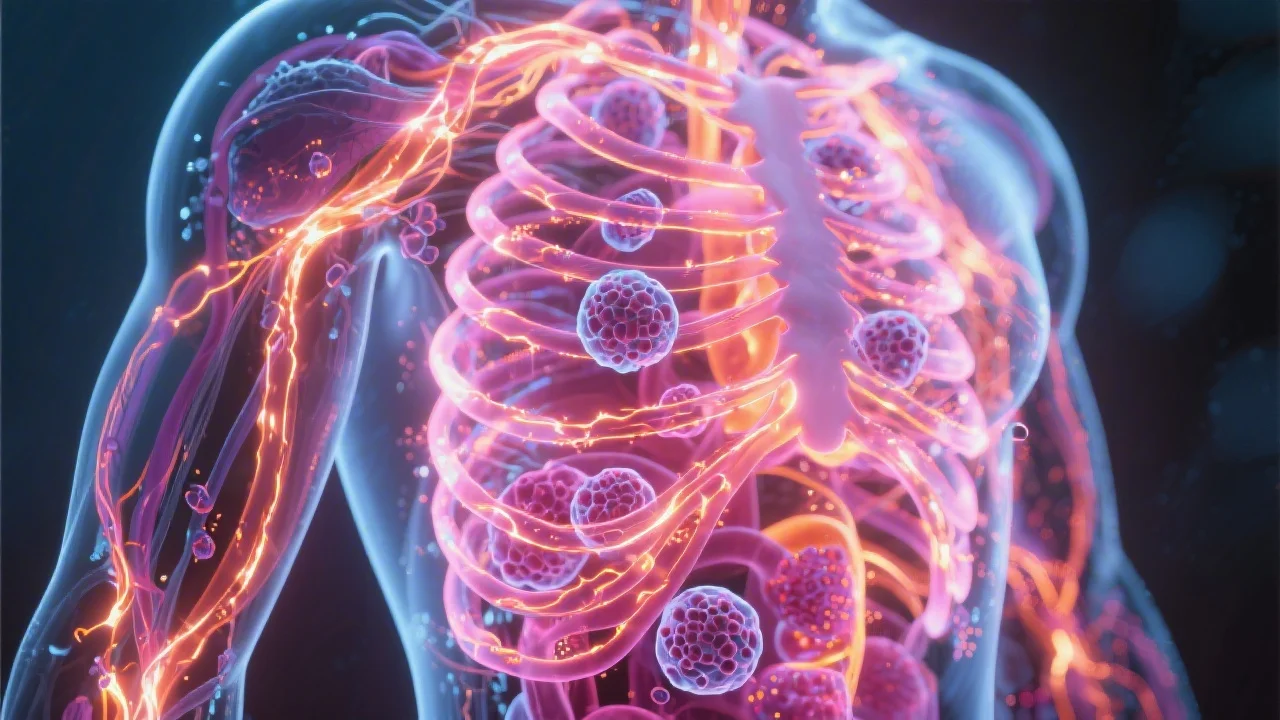
To truly appreciate the 16:8 method, it's crucial to understand the fascinating physiological changes that occur within your body during a fasted state. When you fast, your body doesn't just 'starve'; it shifts its metabolic gears in profound ways.
Metabolic Switching and Ketosis
Normally, your body uses glucose (sugar) from carbohydrates as its primary fuel source. After several hours without food, your glucose stores begin to deplete. This triggers a metabolic switch, prompting your body to start burning stored fat for energy instead. This process can lead to the production of ketones, a more efficient fuel source for the brain and body. This state, known as mild ketosis, is a cornerstone of IF's benefits.
Insulin Sensitivity and Blood Sugar Regulation
One of the most significant impacts of IF is on insulin. When you eat, your pancreas releases insulin to help transport glucose into your cells. Constant snacking and frequent meals keep insulin levels elevated. During a fast, insulin levels drop significantly, allowing your body to become more sensitive to insulin when you do eat. Improved insulin sensitivity is vital for preventing type 2 diabetes and managing blood sugar.
Cellular Repair and Autophagy
Perhaps one of the most exciting aspects of fasting is its ability to stimulate cellular repair processes, including autophagy. Autophagy, meaning 'self-eating,' is a natural, regulated mechanism of the cell that removes dysfunctional or unnecessary components. It's like your body's internal recycling program, clearing out damaged cells and regenerating new, healthier ones. Research suggests autophagy plays a critical role in anti-aging, disease prevention, and overall cellular health.
Hormonal Optimization
- Human Growth Hormone (HGH): Studies show that fasting can significantly increase HGH levels, which is crucial for fat loss, muscle gain, and overall vitality.
- Norepinephrine: Fasting can increase norepinephrine, a hormone that helps break down body fat and makes it available for energy.
By giving your digestive system a regular break, the 16:8 method allows these powerful metabolic and cellular processes to kick into high gear, leading to a cascade of potential health benefits.
Practical Implementation: Starting Your 16:8 Journey
Embarking on the 16:8 intermittent fasting journey is simpler than you might imagine, but success hinges on thoughtful planning and consistency. Here's a step-by-step guide to integrate it into your daily life.
Choosing Your Eating Window
The beauty of 16:8 is its flexibility. The most common eating windows are:
- 12 PM - 8 PM: Skip breakfast, have lunch at noon, dinner by 8 PM. This is often the easiest for social reasons.
- 9 AM - 5 PM: Have breakfast at 9 AM, lunch, and an early dinner by 5 PM. Ideal for early risers or those who prefer to eat earlier.
- 1 PM - 9 PM: A later start, suitable for night owls.
Experiment to find an 8-hour window that comfortably fits your schedule and lifestyle. The key is consistency once you've chosen it.
What to Consume During Your Fasting Window
During the 16-hour fasting period, the goal is to consume zero calories to maintain a fasted state. However, certain beverages are permitted and even encouraged:
- Water: Essential for hydration. Aim for plenty!
- Black Coffee: Unsweetened and without cream or milk. Can help curb hunger and provide a natural energy boost.
- Unsweetened Tea: Green tea, herbal tea, or black tea without additives.
- Sparkling Water: A good alternative if you crave something with bubbles.
Avoid anything with calories, including artificial sweeteners, as they can sometimes trigger an insulin response in some individuals, potentially breaking the fast.
Fueling Your Eating Window: Quality Over Quantity
While 16:8 doesn't restrict specific foods, the quality of your nutrition during the 8-hour window is paramount. Fasting is not a license to binge on unhealthy foods. To maximize benefits, focus on nutrient-dense, whole foods:
- Lean Proteins: Chicken, fish, eggs, tofu, legumes. Crucial for satiety and muscle maintenance.
- Healthy Fats: Avocados, nuts, seeds, olive oil. Provide sustained energy and essential fatty acids.
- Complex Carbohydrates: Whole grains, sweet potatoes, fruits, vegetables. Offer fiber, vitamins, and minerals.
- Plenty of Vegetables: Non-starchy vegetables should form a significant portion of your meals.
Aim for balanced meals that keep you full and energized throughout your eating window. Listen to your body's hunger and fullness cues.
Breaking Your Fast Gently
When your eating window opens, resist the urge to immediately devour a large meal. Breaking your fast with something light and easily digestible can prevent discomfort. A small salad, a handful of nuts, or a piece of fruit can be a good transition before your main meal.

Unlocking the Benefits: Why 16:8 Intermittent Fasting Works
The appeal of the 16:8 method extends beyond its simplicity, offering a compelling array of potential health benefits backed by growing scientific evidence. When consistently applied, this eating pattern can positively impact various aspects of your well-being.
Significant Weight Loss and Fat Reduction
One of the primary reasons people turn to 16:8 IF is for weight management. By restricting your eating to an 8-hour window, you naturally reduce your calorie intake without consciously counting. Furthermore, as discussed, fasting promotes metabolic switching, encouraging your body to burn stored fat for energy. Studies suggest that intermittent fasting can be as effective as traditional calorie restriction for weight loss, often with the added benefit of preserving muscle mass.
Improved Metabolic Health
- Enhanced Insulin Sensitivity: Regular fasting periods give your pancreas a break, leading to lower insulin levels and improved cellular response to insulin. This is crucial for preventing and managing insulin resistance, a precursor to type 2 diabetes.
- Better Blood Sugar Control: By limiting the time your body processes food, IF can help stabilize blood glucose levels, reducing spikes and crashes.
- Reduced Inflammation: Chronic inflammation is linked to numerous diseases. Research indicates that intermittent fasting can help lower inflammatory markers in the body.
Cardiovascular Health Boost
The benefits extend to your heart. Intermittent fasting has been shown to improve several markers of cardiovascular health, including:
- Lower Blood Pressure: Some studies indicate a reduction in both systolic and diastolic blood pressure.
- Improved Cholesterol Profiles: IF can positively impact LDL (bad) cholesterol, HDL (good) cholesterol, and triglyceride levels.
Brain Health and Longevity
The cellular processes stimulated by fasting, particularly autophagy, are thought to contribute to brain health and potentially longevity. Autophagy helps clear out damaged cells, including those in the brain, which may protect against neurodegenerative diseases like Alzheimer's and Parkinson's. Additionally, some studies suggest IF can enhance brain-derived neurotrophic factor (BDNF), a protein that promotes the growth and survival of neurons.
Beyond weight loss, the 16:8 method offers a holistic approach to health, fostering metabolic resilience and cellular rejuvenation that can contribute to a longer, healthier life.
While individual results may vary, the consistent application of the 16:8 method, combined with a nutrient-rich diet and regular exercise, positions you to reap these significant health rewards.

Navigating Challenges and Common Pitfalls
While the 16:8 method is highly effective, embarking on any new eating pattern comes with its unique set of challenges. Understanding and preparing for these can make your transition smoother and more sustainable.
Initial Hunger Pangs and Cravings
The most common hurdle for beginners is hunger, especially during the first few days or weeks. Your body is accustomed to a regular feeding schedule, and it takes time to adjust. These initial hunger pangs are often psychological rather than physiological. They typically subside as your body adapts to burning fat for fuel.
- Strategy: Stay hydrated with water, black coffee, or unsweetened tea. Distract yourself with activities during peak hunger times. Remind yourself that hunger comes in waves and will pass.
Fatigue and 'Fasting Flu'
Some individuals experience symptoms similar to the 'keto flu' during the initial phase, including headaches, dizziness, fatigue, and irritability. This is often due to electrolyte imbalances and the body adjusting to a new fuel source.
- Strategy: Ensure adequate electrolyte intake during your eating window (e.g., bone broth, Himalayan pink salt in water). Prioritize sleep and gentle exercise. If symptoms persist, consult a healthcare professional.
Overeating During the Eating Window
A significant pitfall is compensating for the fast by overeating or making poor food choices during your 8-hour window. This negates the calorie deficit and metabolic benefits of the fast.
- Strategy: Focus on nutrient-dense, whole foods. Plan your meals to ensure they are balanced and satisfying. Use mindful eating practices to recognize true hunger and fullness cues.
Lack of Essential Nutrients
Restricting your eating window means you have less time to consume all necessary vitamins, minerals, and macronutrients. If not careful, this can lead to nutritional deficiencies.
- Strategy: Prioritize a diverse range of fruits, vegetables, lean proteins, and healthy fats within your eating window. Consider a high-quality multivitamin if you have concerns, but always aim to get nutrients from whole foods first.
Listening to Your Body
Intermittent fasting is a tool, not a rigid dogma. There will be days when life happens, or your body simply needs more. It's okay to adjust your fasting schedule occasionally. The goal is long-term sustainability, not perfection. If you feel unwell or excessively stressed, take a break and re-evaluate.

FitFlow: Your Smart Companion for 16:8 Intermittent Fasting
Integrating intermittent fasting into your lifestyle can be significantly streamlined and optimized with the right tools. FitFlow, your AI-powered fitness and health app, is designed to be that indispensable companion, helping you navigate the 16:8 method with precision and ease.
Effortless Nutrition Tracking for Your Eating Window
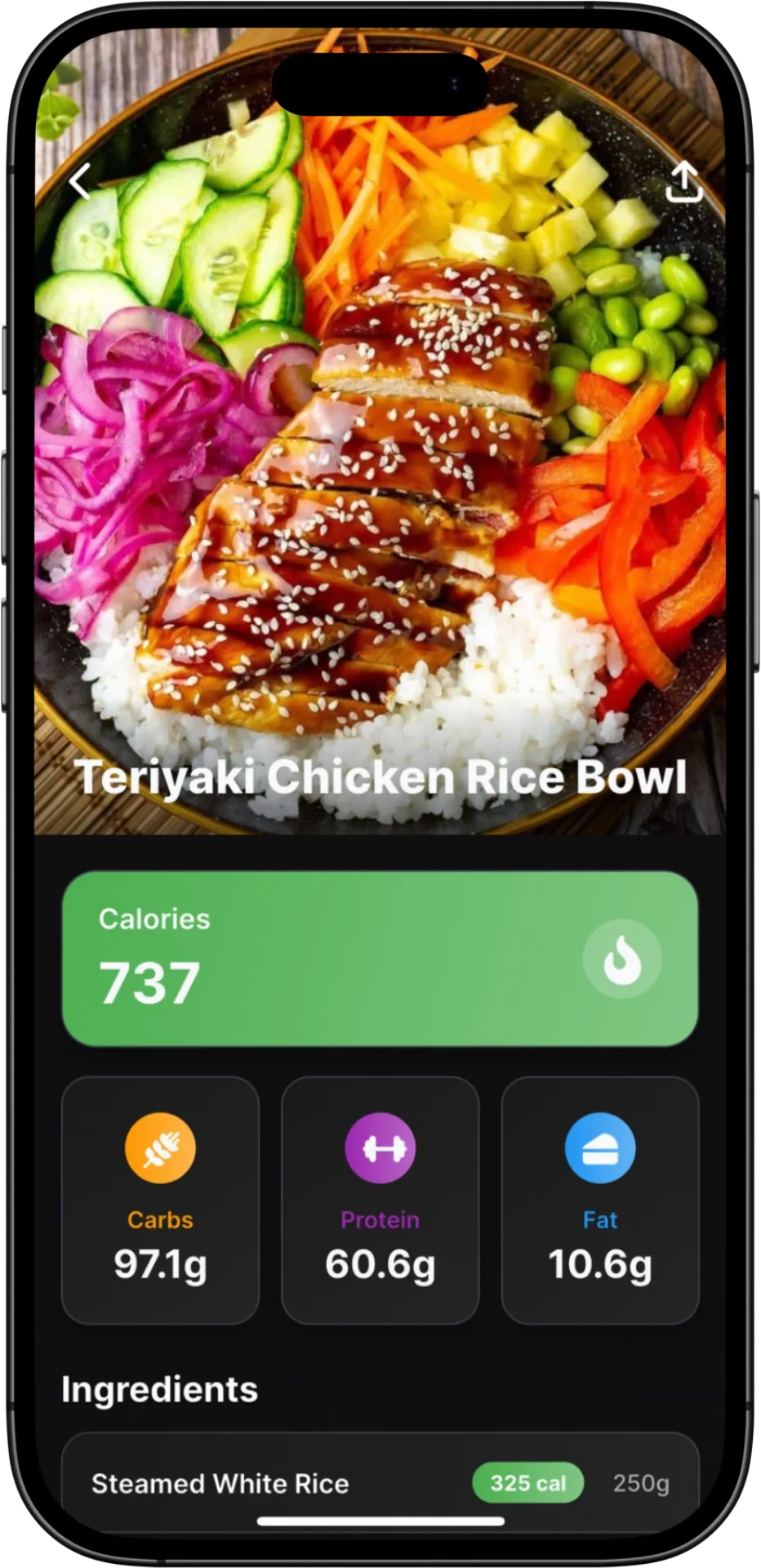
During your 8-hour eating window, making smart, nutrient-dense choices is crucial. FitFlow's revolutionary AI Food Scanning & Nutrition Tracking feature takes the guesswork out of meal logging. Simply snap a photo of your meal, and FitFlow instantly provides calorie counts and macro breakdowns (protein, carbs, fats). With a database of 2M+ foods, it recognizes almost anything you eat, making logging up to 5x faster than manual methods. For packaged goods, barcode scanning offers 95%+ accuracy, and official data from major restaurant chains ensures you know exactly what you're consuming. This precision helps you ensure you're meeting your nutritional needs and staying within your goals without tedious manual entry.
Stay Hydrated During Your Fast
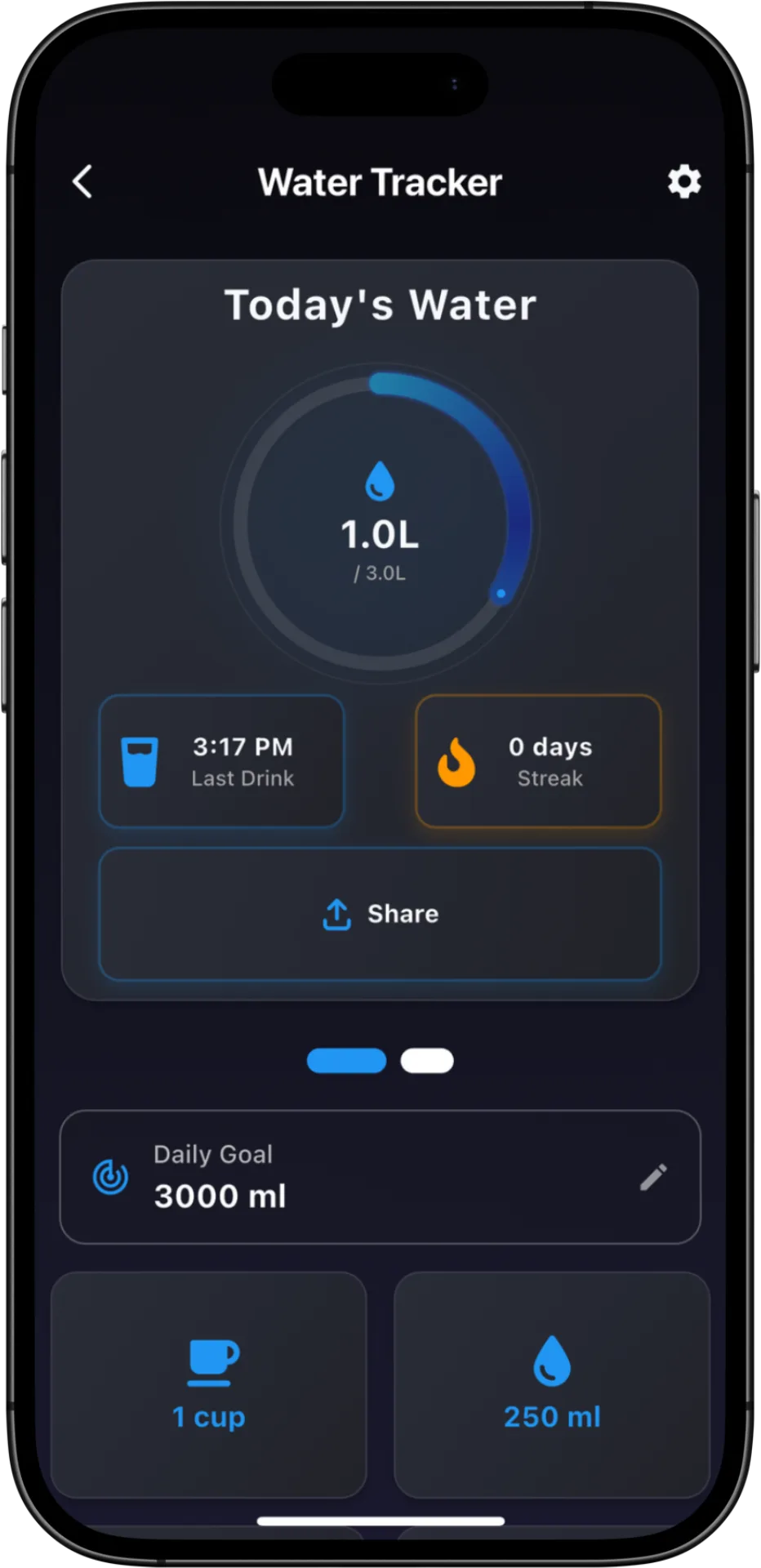
Hydration is paramount during your 16-hour fasting window. FitFlow's integrated water intake monitoring allows you to easily track your daily water consumption. Set personalized goals and receive gentle reminders to ensure you're drinking enough, helping to curb hunger pangs and support overall well-being throughout your fast.
Track Your Progress and Stay Motivated
Seeing your progress is a powerful motivator. FitFlow's comprehensive Progress Analytics & Goal Setting features provide visual charts for weight and body fat tracking. As you consistently apply the 16:8 method, you'll be able to see the tangible results of your efforts, celebrate milestones, and stay inspired. Detailed fitness and nutrition analytics offer insights into how your fasting journey is impacting your body composition and overall health.
Custom Meal Plans and Dietary Support
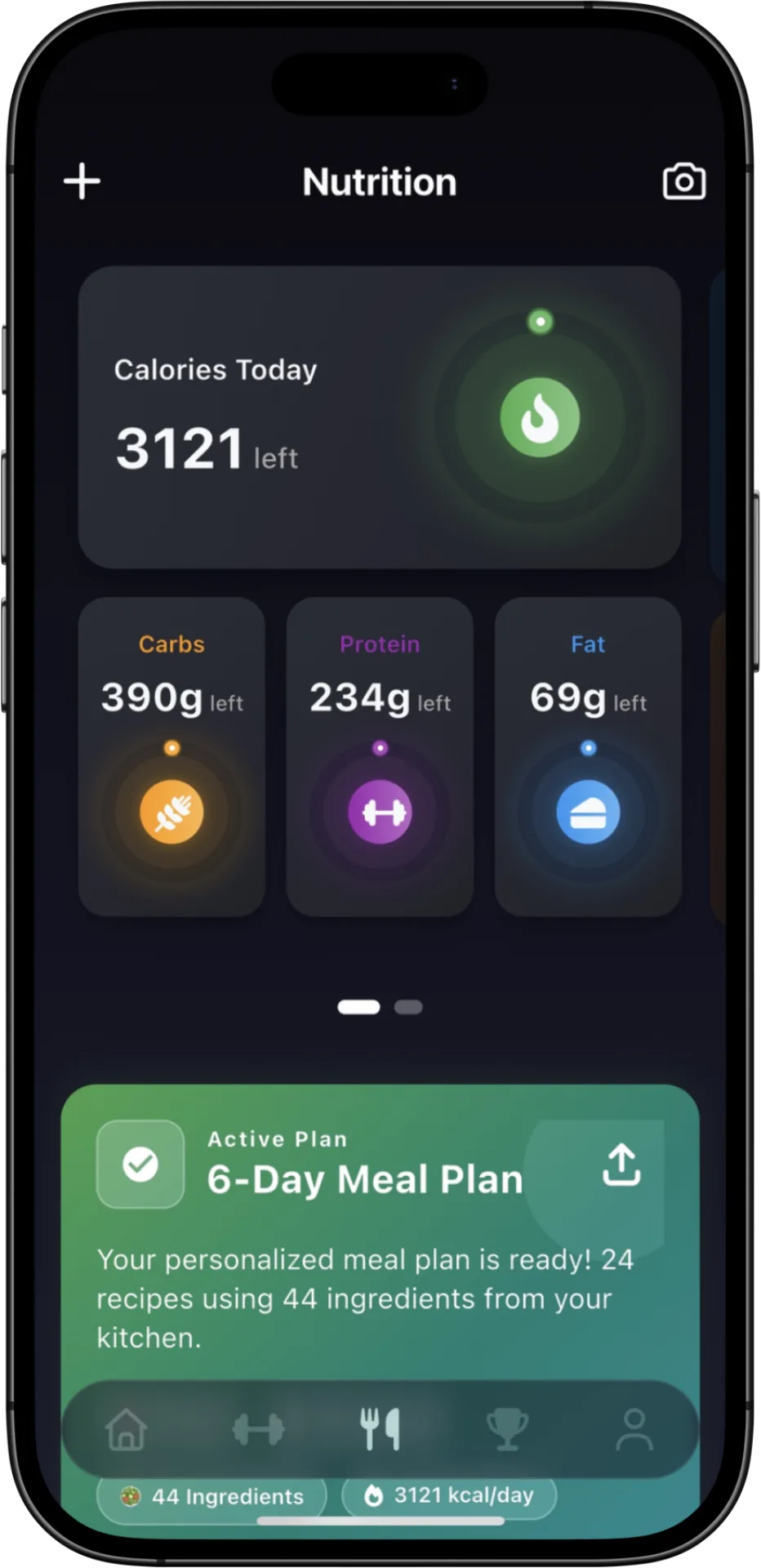
Beyond tracking, FitFlow helps you plan. Leverage the app's ability to create custom meal plans tailored to your weight loss or muscle gain goals, ensuring your eating window is optimized for success. Whether you're vegetarian, vegan, keto, paleo, or have gluten-free preferences, FitFlow supports your dietary needs and even helps you build recipes for homemade meals with full nutritional breakdowns.
FitFlow transforms the intermittent fasting experience from a daunting task into an intuitive, data-driven journey, providing the tools you need to succeed and sustain your 16:8 method with confidence.
By leveraging FitFlow's smart features, you can ensure your 16:8 intermittent fasting journey is both effective and enjoyable, empowering you to achieve your health and wellness goals.
Who Should (and Shouldn't) Try 16:8 Intermittent Fasting
While the 16:8 method offers numerous potential benefits, it's not a one-size-fits-all solution. Understanding who can safely and effectively adopt this eating pattern, and who should approach it with caution or avoid it entirely, is crucial for your health and safety.
Ideal Candidates for 16:8 Intermittent Fasting
Generally, healthy adults who are looking to:
- Lose Weight: Especially those who struggle with traditional calorie restriction or frequent snacking.
- Improve Metabolic Health: Individuals looking to enhance insulin sensitivity, stabilize blood sugar, or reduce inflammation.
- Increase Energy Levels: Many fasters report increased mental clarity and sustained energy after the initial adjustment period.
- Simplify Their Eating Schedule: For those who find meal prep and frequent eating cumbersome, 16:8 can simplify daily routines.
- Boost Longevity and Cellular Health: Driven by the potential benefits of autophagy and hormonal optimization.
Always ensure you are in good general health before starting any new dietary regimen.
Who Should Exercise Caution or Avoid 16:8 IF
Certain populations should approach intermittent fasting with extreme caution or avoid it altogether, often requiring medical supervision or alternative strategies:
- Pregnant or Breastfeeding Women: Nutritional needs are significantly higher during these periods, and fasting could potentially impact fetal development or milk supply.
- Children and Teenagers: Growing bodies have unique nutritional requirements, and fasting could interfere with healthy development.
- Individuals with a History of Eating Disorders: IF can sometimes trigger or exacerbate disordered eating patterns.
- People with Certain Medical Conditions:
- Diabetics (especially Type 1) and those on Blood Sugar-Lowering Medications: Fasting can lead to dangerous drops in blood sugar (hypoglycemia).
- Individuals with Low Blood Pressure: Fasting can further lower blood pressure.
- Those on Specific Medications: Some medications need to be taken with food, or their efficacy can be affected by fasting.
- People with Chronic Stress or Adrenal Issues: Fasting can sometimes exacerbate stress responses in sensitive individuals.
- Individuals Who Are Underweight or Malnourished: Fasting could worsen their condition.
Always consult with a healthcare professional or a registered dietitian before starting any new dietary protocol, especially if you have underlying health conditions, are on medication, or fall into any of the cautionary categories. Your doctor can help determine if 16:8 IF is safe and appropriate for your individual health profile.

Making 16:8 a Sustainable Lifestyle, Not Just a Diet
The true power of the 16:8 intermittent fasting method lies in its potential to become a sustainable lifestyle, rather than a temporary diet. For long-term success and continued benefits, it’s essential to integrate it thoughtfully and flexibly into your daily routine.
Embrace Flexibility
Life is unpredictable, and strict adherence every single day isn't always realistic or necessary. If you have a social event or a special occasion that falls outside your eating window, it's perfectly fine to adjust. Skipping a fast or shifting your window occasionally won't derail your progress. The goal is consistency over perfection.
Think of 16:8 as a flexible framework, not a rigid prison. Listen to your body and adapt as needed.
Prioritize Nutrient-Dense Foods
We've said it before, and it bears repeating: the quality of your food during the 8-hour eating window is paramount. Fasting is not an excuse to indulge in processed foods, sugary drinks, and unhealthy snacks. Focus on a balanced intake of:
- Lean proteins for satiety and muscle preservation.
- Healthy fats for energy and hormone function.
- Complex carbohydrates and plenty of fiber-rich vegetables and fruits for essential micronutrients.
This approach ensures you're fueling your body optimally and maximizing the health benefits of IF.
Combine with Regular Exercise
Intermittent fasting is a powerful tool on its own, but its benefits are amplified when combined with a consistent exercise routine. Whether it's strength training, cardio, or simply walking, physical activity complements IF by:
- Boosting metabolism and fat burning.
- Improving insulin sensitivity even further.
- Preserving and building lean muscle mass.
- Enhancing mood and reducing stress.
Consider timing your workouts within your eating window or towards the end of your fast if you feel comfortable and energized.
Stay Hydrated and Manage Stress
These two often overlooked factors are critical for success with IF. Adequate hydration during your fast is essential for comfort and preventing headaches. Managing stress through practices like meditation, yoga, or spending time in nature can also significantly impact your body's ability to adapt to fasting and maintain hormonal balance.
Listen to Your Body and Be Patient
Every individual's response to intermittent fasting is unique. Pay attention to how you feel. Are you energized? Are you sleeping well? Is your mood stable? If something feels off, don't hesitate to adjust your approach or seek professional advice. Patience is also key; the most profound benefits of IF often unfold over weeks and months of consistent practice, not overnight.
By adopting these strategies, you can transform 16:8 intermittent fasting from a temporary challenge into a sustainable, health-promoting cornerstone of your daily life, empowering you to feel your best, inside and out.


FitFlow Editorial Team
Fitness & Nutrition Editorial TeamCertified personal trainers & nutrition coaches
The FitFlow Editorial Team is a group of certified personal trainers, nutrition coaches, and fitness writers who translate exercise science and nutrition research into practical, actionable guidance. Every article is grounded in peer-reviewed sources and reviewed for accuracy before publishing.
Frequently Asked Questions
Who is this guide for?
This guide is for anyone focused on weight loss and looking for practical, sustainable progress.
How quickly can I apply these recommendations?
Most recommendations are designed for immediate implementation. Start with one change today, then layer improvements weekly.
How does FitFlow support this strategy?
FitFlow supports execution with AI-powered meal tracking, workout planning, and progress analytics that help you stay consistent.