The Fastest Way to Lose 10 Pounds Safely
Reviewed by the fitness & nutrition editorial team · Certified personal trainers & nutrition coaches

Setting Realistic Expectations: "Fastest" Meets "Safely"
The allure of rapid weight loss is undeniable. We live in a world that often prioritizes instant gratification, and when it comes to shedding pounds, the promise of quick results can be incredibly tempting. However, the critical distinction lies in balancing speed with safety and sustainability. While some extreme measures might lead to a rapid drop on the scale, they often come at the cost of your health, muscle mass, and long-term success.
So, what does "fastest" mean when we prioritize "safely"? Health experts generally recommend a weight loss rate of 1 to 2 pounds per week for sustainable and healthy results. This means that losing 10 pounds safely would typically take anywhere from 5 to 10 weeks. Attempting to lose weight much faster than this often involves:
- Severe Calorie Restriction: Leading to nutrient deficiencies, fatigue, and potential metabolic slowdown.
- Excessive Exercise: Increasing the risk of injury and burnout.
- Loss of Muscle Mass: Which can hinder your metabolism and make long-term weight management harder.
- Rebound Weight Gain: The dreaded "yo-yo effect" where lost weight quickly returns, often with extra pounds.
Our goal isn't just to see the scale move, but to improve your overall health, energy levels, and body composition. This guide will walk you through scientifically-backed strategies to optimize your body's fat-burning potential while maintaining your well-being, ensuring that your 10-pound loss is a stepping stone to lasting health.
"Sustainable weight loss isn't a sprint; it's a strategic journey. Prioritize health, and speed will follow safely."

The Calorie Deficit: Your Non-Negotiable Foundation
At the heart of all weight loss is a fundamental principle: the calorie deficit. To lose weight, you must consistently consume fewer calories than your body burns. It's a simple equation, but its execution requires precision and consistency.
Understanding the 3,500 Calorie Rule
One pound of body fat is roughly equivalent to 3,500 calories. This means to lose one pound, you need to create a deficit of 3,500 calories over a period of time. To achieve the recommended 1-2 pounds of weight loss per week, you'll need to create a daily calorie deficit of 500 to 1,000 calories.
- 500-calorie daily deficit: Leads to approximately 1 pound of weight loss per week (500 calories/day x 7 days = 3,500 calories).
- 1,000-calorie daily deficit: Leads to approximately 2 pounds of weight loss per week (1,000 calories/day x 7 days = 7,000 calories).
Going beyond a 1,000-calorie daily deficit is generally not recommended unless under strict medical supervision, as it can lead to the negative consequences mentioned earlier.
How to Calculate Your Calorie Needs
Your individual calorie needs depend on several factors, including your age, sex, weight, height, and activity level. This is known as your Total Daily Energy Expenditure (TDEE). While online calculators can provide estimates, a more personalized approach is often needed for accuracy.
This is where technology becomes an invaluable ally. With FitFlow's AI Food Scanning & Nutrition Tracking, you can effortlessly get a precise understanding of your caloric intake. Simply snap a photo of your meal for instant calorie counting and macro breakdowns. Our advanced AI recognizes over 2 million foods, providing instant nutrition insights, and with a database of 14 million+ items, packaged foods are tracked with 95%+ accuracy via barcode scanning. This process is up to 5x faster than manual logging, automating 80% of your food tracking, allowing you to focus on maintaining that crucial calorie deficit without the guesswork.
Creating a Sustainable Deficit
Once you understand your TDEE and target deficit, the key is to make smart food choices. Focus on nutrient-dense foods that provide satiety without excessive calories. This includes:
- Lean proteins (chicken, fish, tofu, legumes)
- High-fiber vegetables and fruits
- Whole grains (in moderation)
- Healthy fats (avocado, nuts, seeds)
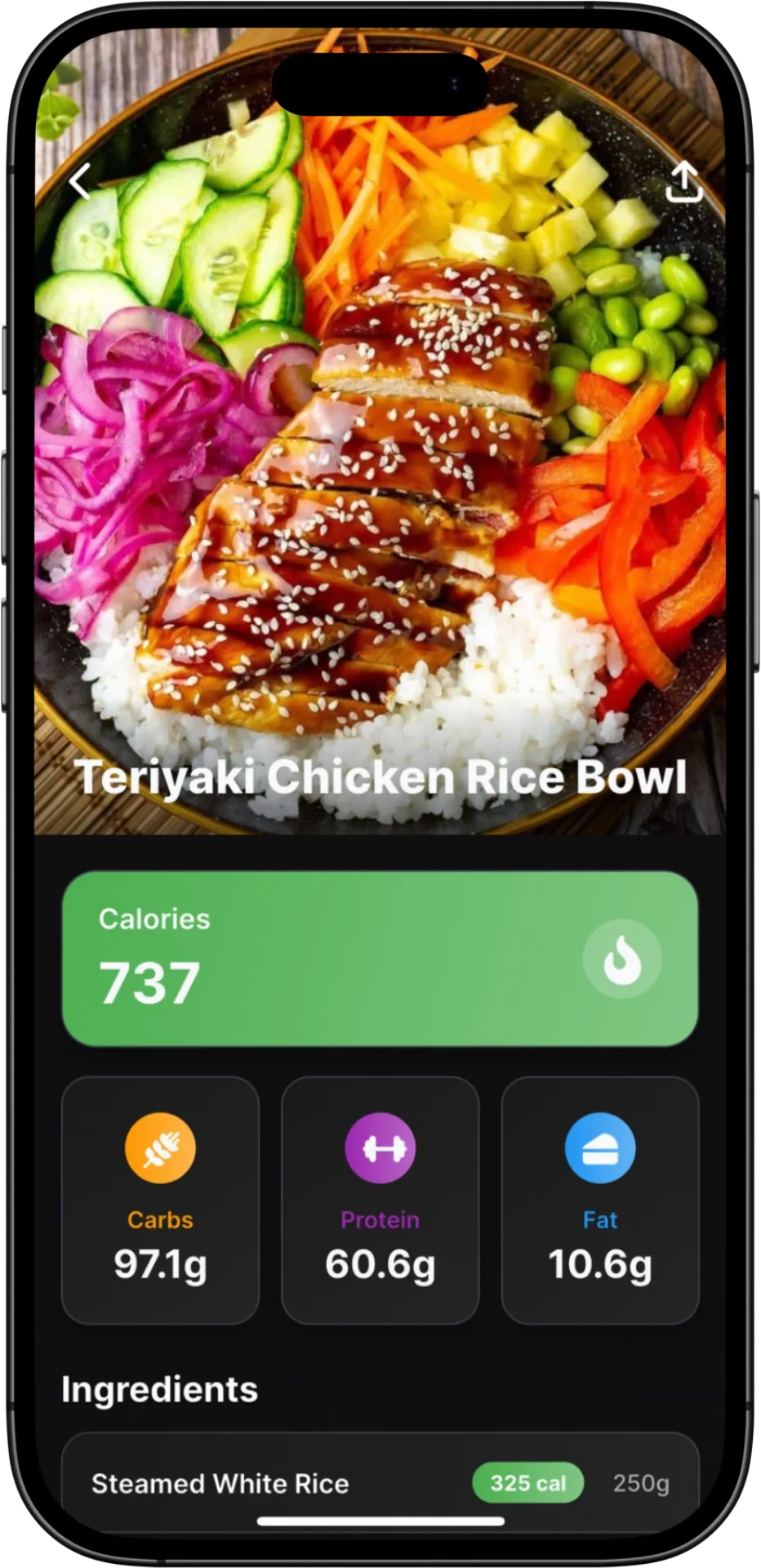
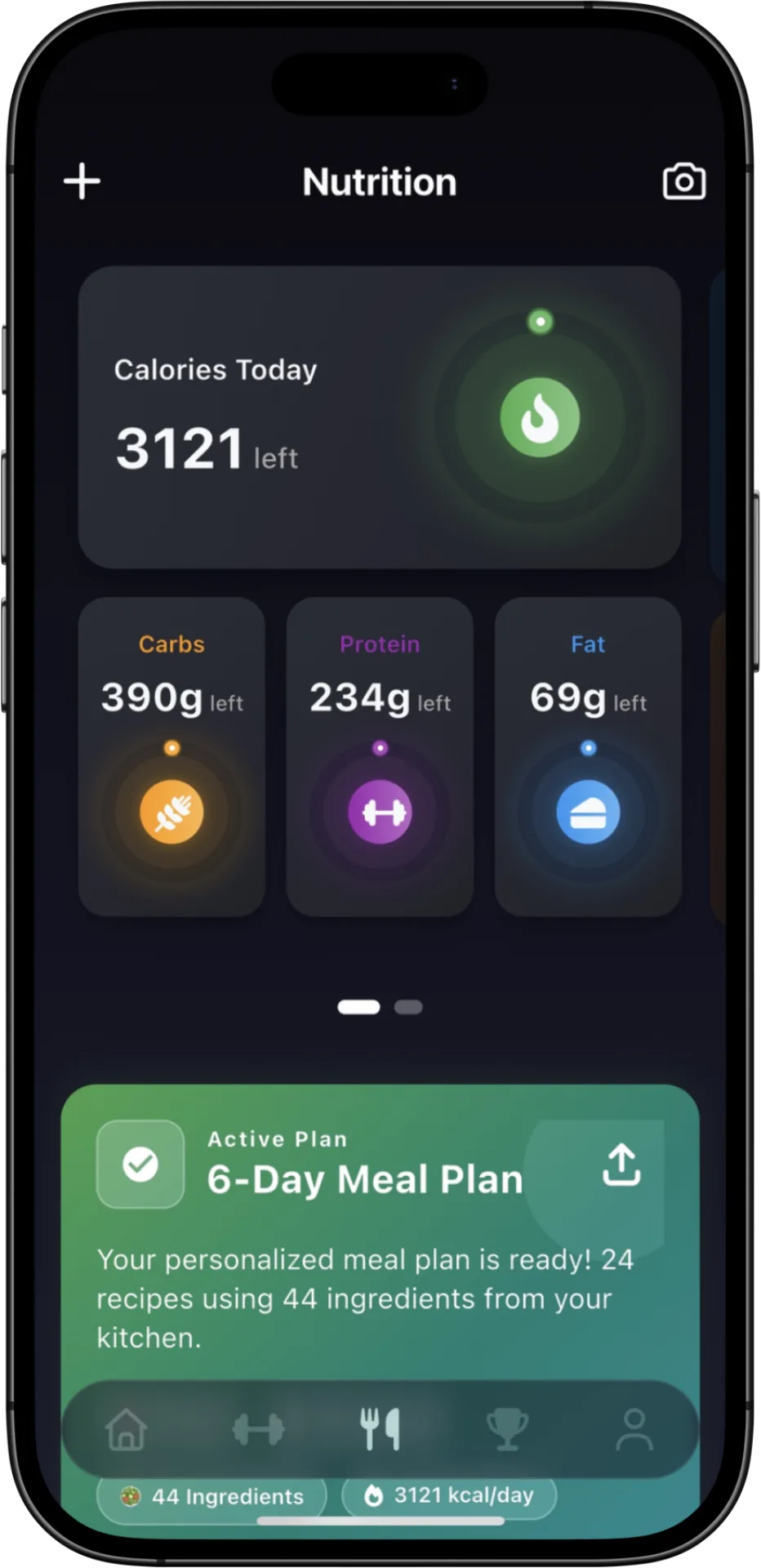
FitFlow's custom meal plans can be tailored to your weight loss goals and dietary preferences (vegetarian, vegan, keto, paleo, gluten-free), making it easier to stick to your deficit while ensuring you get all necessary nutrients. You can even use the recipe builder for homemade meals to get full nutritional breakdowns.
Prioritizing Protein and Fiber for Satiety and Muscle Preservation
While a calorie deficit is the ultimate driver of weight loss, the *composition* of your diet plays a monumental role in how effectively and comfortably you achieve your goals. Two macronutrients stand out for their profound impact on satiety, metabolism, and muscle preservation during a weight loss phase: protein and fiber.
The Power of Protein
Protein is the cornerstone of a successful weight loss diet for several compelling reasons:
- Satiety: Protein is the most satiating macronutrient. Consuming adequate protein helps you feel fuller for longer, reducing overall calorie intake by curbing hunger pangs and preventing overeating.
- Muscle Preservation: When you're in a calorie deficit, your body can break down muscle tissue for energy in addition to fat. A higher protein intake helps to signal your body to preserve lean muscle mass, which is crucial for maintaining a healthy metabolism.
- Thermic Effect of Food (TEF): Protein has a higher TEF compared to carbohydrates and fats. This means your body expends more energy (calories) digesting and metabolizing protein. While the effect isn't massive, it contributes to your overall calorie expenditure.
Excellent Protein Sources:
- Lean meats: Chicken breast, turkey, lean beef, pork tenderloin
- Fish and seafood: Salmon, cod, shrimp, tuna
- Eggs
- Dairy: Greek yogurt, cottage cheese, skim milk
- Legumes: Lentils, beans, chickpeas
- Plant-based proteins: Tofu, tempeh, edamame, protein powders
The Indispensable Role of Fiber
Fiber, particularly soluble fiber, is another unsung hero in the weight loss journey:
- Increased Fullness: Fiber adds bulk to your diet without adding significant calories. It expands in your stomach, promoting a feeling of fullness and reducing the likelihood of snacking between meals.
- Blood Sugar Regulation: Soluble fiber slows down the absorption of sugar, which helps prevent rapid spikes and crashes in blood sugar. Stable blood sugar levels can reduce cravings and improve energy.
- Digestive Health: Adequate fiber intake supports a healthy digestive system, preventing constipation and promoting regularity, which is often a concern when dietary changes are made.
Excellent Fiber Sources:
- Vegetables: Broccoli, spinach, kale, Brussels sprouts, carrots
- Fruits: Berries, apples, pears, oranges
- Legumes: Beans, lentils, chickpeas
- Whole grains: Oats, quinoa, brown rice (in moderation for weight loss)
- Nuts and seeds: Chia seeds, flax seeds, almonds
Monitoring your protein and fiber intake doesn't have to be a chore. FitFlow's detailed nutrition tracking provides clear breakdowns of your protein, carbs, and fats, making it easy to see if you're hitting your targets. You can quickly identify which meals are rich in these essential nutrients and adjust your diet accordingly to optimize for satiety and metabolic health.

Smart Exercise Strategies to Accelerate Fat Loss
While nutrition creates the calorie deficit, exercise acts as a powerful accelerator, helping you burn more calories, preserve muscle, and improve overall body composition. A well-rounded exercise plan for losing 10 pounds safely should incorporate both cardiovascular training and strength training.
Strength Training: Build Muscle, Boost Metabolism
Many people mistakenly believe that only cardio is effective for weight loss. However, strength training is arguably even more critical, especially for sustainable fat loss.
- Metabolic Boost: Muscle tissue is more metabolically active than fat tissue. This means that the more muscle you have, the more calories your body burns at rest (your Basal Metabolic Rate or BMR). Building muscle essentially turns your body into a more efficient fat-burning machine 24/7.
- Body Composition: Strength training helps sculpt your body, improving tone and definition. Even if the scale doesn't move dramatically, you'll look and feel leaner due to reduced body fat and increased muscle mass.
- Bone Health & Injury Prevention: Beyond aesthetics, strength training strengthens bones and connective tissues, reducing the risk of osteoporosis and injuries.
Aim for 2-3 full-body strength training sessions per week, focusing on compound movements that work multiple muscle groups simultaneously (e.g., squats, deadlifts, push-ups, rows, overhead press). Progressively overload your muscles by gradually increasing weight, reps, or sets over time.
Cardiovascular Training: Burn Calories, Improve Heart Health
Cardio is excellent for directly burning calories and improving cardiovascular health.
- High-Intensity Interval Training (HIIT): Involves short bursts of intense exercise followed by brief recovery periods. HIIT is highly effective for burning calories in a shorter amount of time and can boost your metabolism for hours post-workout (the "afterburn effect"). Examples include sprint intervals, cycling intervals, or circuit training.
- Low-Intensity Steady State (LISS): Activities like brisk walking, jogging, swimming, or cycling at a moderate pace for a longer duration. LISS is fantastic for active recovery, reducing stress, and burning a significant number of calories without putting excessive stress on your body.
Incorporate 3-5 cardio sessions per week, mixing HIIT (1-2 times) with LISS (2-3 times) for optimal results.
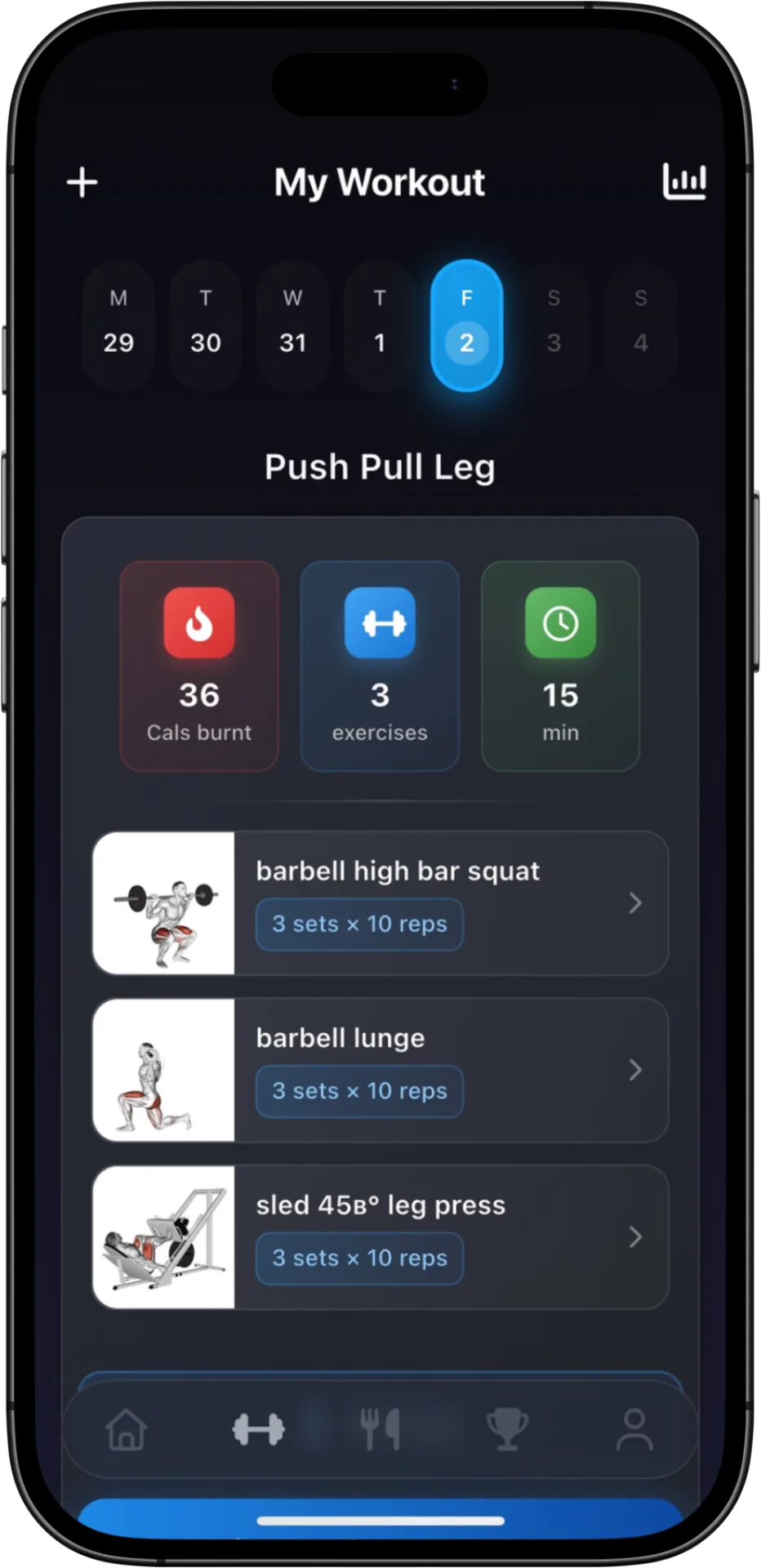
FitFlow's Smart Workout Tracking makes integrating these strategies seamless. With over 1,000 guided exercises and video demonstrations, you'll always know how to perform movements correctly. Real-time tracking of sets, reps, and rest periods keeps you on track, while intelligent form guidance and exercise recommendations ensure you're maximizing your effort safely. Whether you're aiming for weight loss or strength training, FitFlow's customizable workout journeys adapt to your goals, and our cardio tracking system accurately monitors your running, walking, and cycling progress.
Hydration and Sleep: The Unsung Heroes of Weight Loss
Often overlooked in the pursuit of weight loss, adequate hydration and quality sleep are not just beneficial—they are absolutely critical. Neglecting these fundamental aspects can sabotage even the most disciplined efforts in diet and exercise.
The Power of Proper Hydration
Water is essential for virtually every bodily function, and its role in weight loss is multifaceted:
- Metabolism Booster: Water is crucial for metabolic processes. Even mild dehydration can slow down your metabolism, making it harder to burn calories efficiently.
- Satiety and Appetite Control: Drinking water before meals can help you feel fuller, leading to reduced calorie intake. Sometimes, our bodies confuse thirst with hunger, so staying hydrated can prevent unnecessary snacking.
- Fat Burning: Water is involved in lipolysis, the process where the body breaks down fat for energy. Without enough water, this process can be less efficient.
- Detoxification: Water helps your kidneys flush out waste products, which is particularly important when your body is breaking down fat stores.
Practical Hydration Tips:
- Aim for at least 8 glasses (around 2 liters) of water per day, and more if you're exercising or in a hot climate.
- Keep a water bottle handy throughout the day.
- Start your day with a large glass of water.
- Drink water before and during meals.
- Choose plain water over sugary drinks.
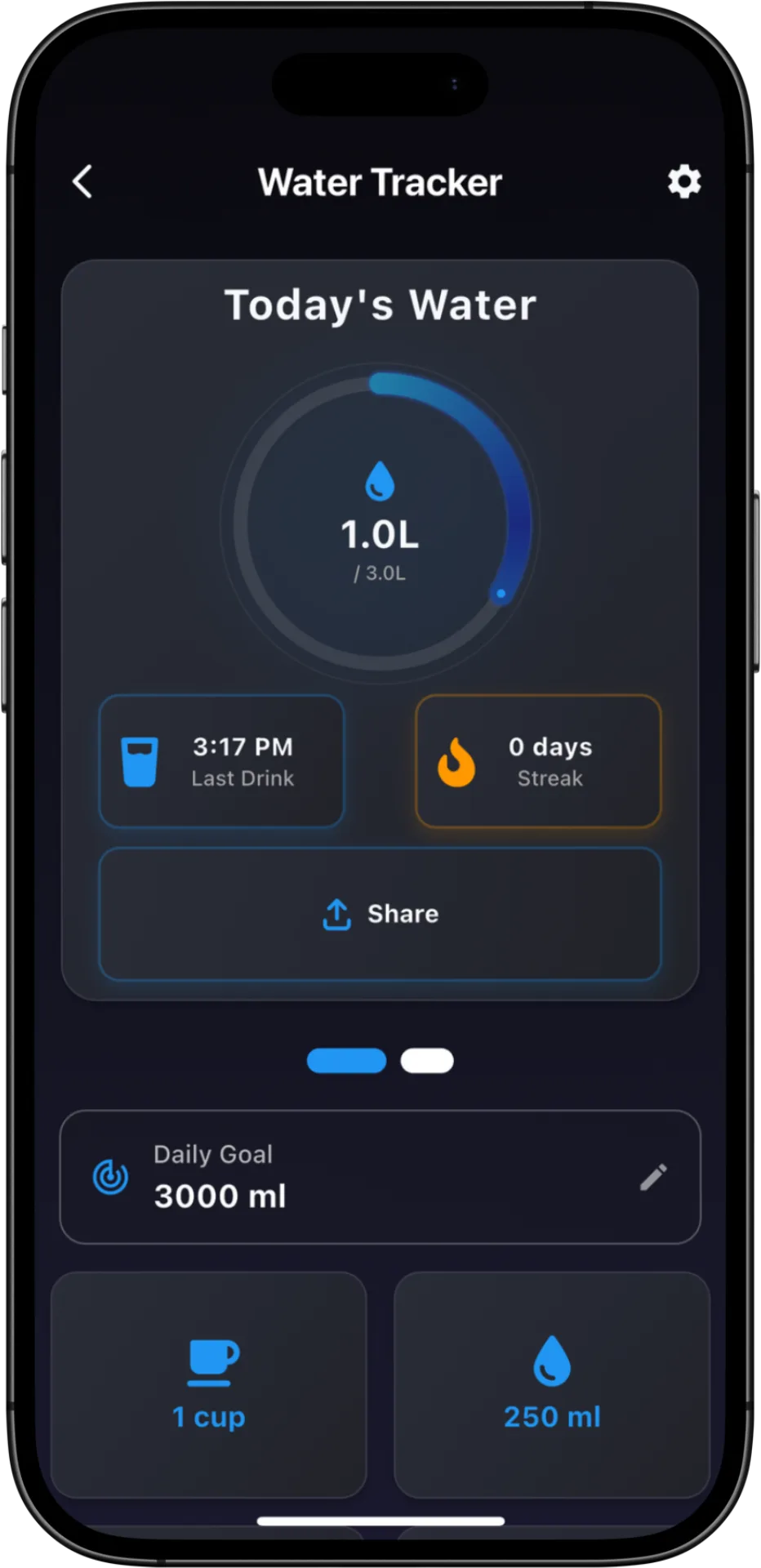
With FitFlow's water intake monitoring, you can easily track your daily water consumption, helping you stay accountable and ensure you're meeting your hydration goals effortlessly.
The Crucial Role of Quality Sleep
In our fast-paced world, sleep is often the first thing we sacrifice. However, skimping on sleep can have profound negative effects on your weight loss journey:
- Hormonal Imbalance: Lack of sleep disrupts key hunger-regulating hormones. Ghrelin, the "hunger hormone," increases, making you feel hungrier. Leptin, the "satiety hormone," decreases, making it harder to feel full. This combination can lead to increased cravings, especially for high-calorie, high-carb foods.
- Increased Cortisol: Sleep deprivation elevates cortisol, the stress hormone. High cortisol levels can promote fat storage, particularly in the abdominal area, and increase appetite.
- Reduced Energy and Motivation: When you're tired, you're less likely to have the energy or motivation for workouts, and more likely to make poor food choices.
- Insulin Sensitivity: Chronic sleep loss can impair insulin sensitivity, making it harder for your body to regulate blood sugar and potentially increasing the risk of weight gain and type 2 diabetes.
Practical Sleep Tips:
- Aim for 7-9 hours of quality sleep per night.
- Establish a consistent sleep schedule, even on weekends.
- Create a relaxing bedtime routine.
- Ensure your bedroom is dark, quiet, and cool.
- Avoid caffeine and heavy meals close to bedtime.
- Limit screen time before bed.
Mindset, Stress Management, and Consistency: The Psychological Edge
Losing 10 pounds isn't just a physical challenge; it's a mental one. Your mindset, ability to manage stress, and unwavering consistency are just as vital as your diet and exercise plan. Without addressing these psychological elements, even the most perfect regimen can falter.
Cultivating a Positive Mindset
Your thoughts profoundly influence your actions. A positive, growth-oriented mindset can transform obstacles into opportunities:
- Focus on Progress, Not Perfection: It's easy to get discouraged by a bad day or a slow week. Instead, celebrate small victories, acknowledge your efforts, and understand that plateaus are normal.
- Self-Compassion: Be kind to yourself. If you slip up, don't let it derail your entire journey. Learn from it and get back on track. Guilt and shame are counterproductive.
- Long-Term Vision: Remember that losing 10 pounds is part of a larger journey towards a healthier, happier you. This isn't a temporary fix; it's a lifestyle evolution.
Mastering Stress Management
Stress is an insidious enemy of weight loss. When stressed, your body releases cortisol, which, as we discussed, can increase appetite, promote fat storage, and lead to emotional eating.
- Identify Stress Triggers: Understand what causes your stress. Is it work, relationships, finances?
- Develop Coping Mechanisms: Find healthy ways to manage stress that don't involve food. This could include:
- Mindfulness and meditation
- Deep breathing exercises
- Yoga or gentle stretching
- Spending time in nature
- Engaging in hobbies
- Connecting with loved ones
- Prioritize Self-Care: Make time for activities that rejuvenate you. Even 15-30 minutes a day can make a significant difference.
The Unyielding Power of Consistency
Consistency is the single most important factor for long-term success in weight loss. It's not about doing everything perfectly, but about showing up day after day, making good choices most of the time.
- Small, Sustainable Habits: Focus on building habits you can maintain indefinitely. A small, consistent change is far more effective than a drastic, unsustainable one.
- Routine and Structure: Establish routines for meals, workouts, and sleep. This reduces decision fatigue and makes healthy choices automatic.
- Accountability: Track your progress, share your goals with a trusted friend, or utilize tools that keep you accountable.
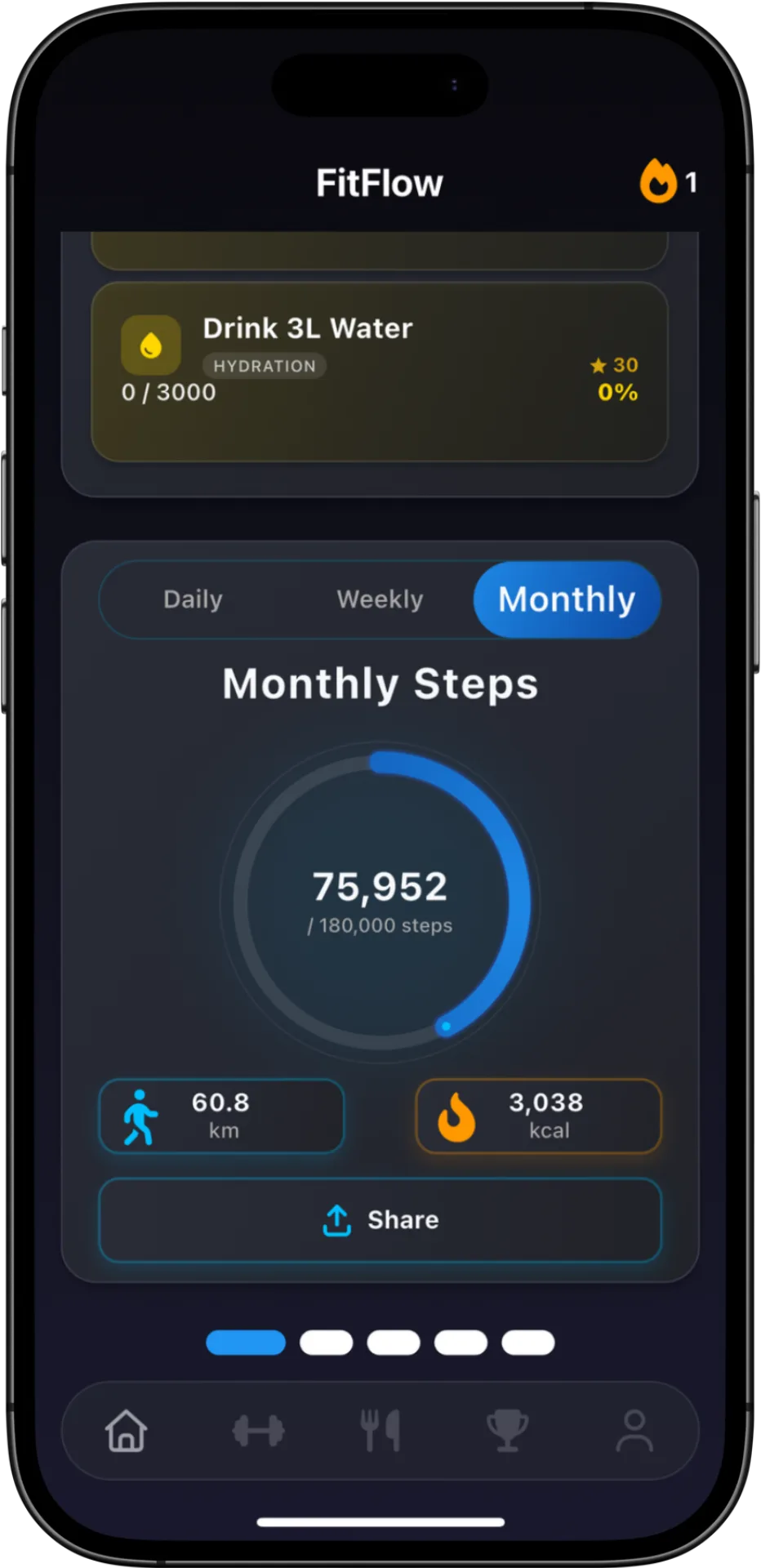
FitFlow is designed to be your ultimate partner in maintaining this psychological edge. Our app provides daily motivational quotes and progress reminders to keep your spirits high. The achievement system with celebration animations and personal record tracking turns your journey into an engaging game, recognizing your efforts and milestones. Detailed fitness and nutrition analytics with progress charts allow you to visualize your achievements, reinforcing your consistency and driving you towards your next goal.
Avoiding Common Pitfalls and Sustaining Your Results
The journey to lose 10 pounds, especially when aiming for speed, is fraught with common pitfalls that can derail progress or lead to rebound weight gain. Understanding and actively avoiding these traps is crucial for not just reaching your goal, but maintaining it.
The Dangers of Crash Diets and Extreme Restriction
The temptation to drastically cut calories or eliminate entire food groups for rapid weight loss is strong, but the consequences are often detrimental:
- Nutrient Deficiencies: Extreme diets often lack essential vitamins and minerals, leading to fatigue, weakened immunity, and long-term health issues.
- Muscle Loss: When your body doesn't get enough calories, it starts breaking down muscle tissue for energy, slowing your metabolism.
- Metabolic Adaptation: Your body is incredibly adaptive. Severe calorie restriction can lead to a slowed metabolism, making it harder to lose weight and easier to regain it once you return to a more normal eating pattern.
- Unsustainability: These diets are typically impossible to maintain long-term, leading to feelings of deprivation, binge eating, and the infamous "yo-yo effect."
Focus instead on a moderate calorie deficit (500-1000 calories/day) filled with nutrient-dense, whole foods. This approach is sustainable, nourishes your body, and preserves muscle mass.
Navigating Weight Loss Plateaus
It's almost inevitable: you'll be making great progress, and then suddenly, the scale stops moving. This is a weight loss plateau, and it's a normal part of the process.
- Reassess Your Intake: As you lose weight, your body requires fewer calories. Recalculate your TDEE and adjust your calorie deficit accordingly. What worked at 180 lbs might be too many calories at 170 lbs.
- Increase Activity: If you've been consistent with your workouts, consider increasing the intensity, duration, or trying a new exercise modality to challenge your body differently.
- Prioritize Sleep and Stress Management: These factors can significantly impact hormonal balance and metabolism.
- Be Patient: Sometimes, your body just needs time to catch up. Stick to your plan for another week or two before making drastic changes.
Transitioning to Maintenance: A New Goal
Losing 10 pounds is a fantastic achievement, but the real test is keeping it off. Transitioning from weight loss to maintenance requires a shift in strategy:
- Gradually Increase Calories: Slowly add calories back into your diet (50-100 calories per week) until you find your new maintenance level. Continue to focus on nutrient-dense foods.
- Maintain Healthy Habits: Continue with regular exercise, mindful eating, adequate hydration, and quality sleep. These aren't just for weight loss; they're for lifelong health.
- Regular Monitoring: Keep an eye on your weight, perhaps weighing yourself once a week, to catch any creeping weight gain early.
- Focus on Performance: Shift your exercise goals from purely weight loss to strength gains, endurance, or skill development.
FitFlow's comprehensive analytics and smart goal-setting features are invaluable here. You can track your weight and body fat with visual charts, monitor steps and water intake, and celebrate milestones, ensuring you have the data and motivation to sustain your new healthy lifestyle long after you've hit your initial 10-pound goal. The app helps you make health a continuous journey, not just a temporary destination.

Conclusion: Your Personalized Path to a Healthier You
Losing 10 pounds safely and effectively is an achievable and highly rewarding goal. It's not about crash diets or extreme measures, but rather a holistic approach that integrates smart nutrition, consistent exercise, adequate rest, and a resilient mindset. By understanding and implementing the principles outlined in this guide, you're not just shedding weight; you're building a foundation for lasting health and well-being.
Remember the key pillars:
- Calorie Deficit: The fundamental principle, achieved through mindful eating and portion control.
- Nutrient-Dense Foods: Prioritizing protein and fiber to maximize satiety and preserve muscle.
- Balanced Exercise: Combining strength training to build muscle and boost metabolism, with cardio for calorie burning and heart health.
- Hydration & Sleep: The often-underestimated factors that profoundly impact metabolism, hunger hormones, and overall energy.
- Mindset & Consistency: Cultivating patience, managing stress, and committing to sustainable habits over time.
Your journey is unique, and personalized support can make all the difference. The FitFlow app is designed to be your ultimate companion, offering AI-powered food scanning for effortless nutrition tracking, smart workout guidance with video demonstrations, and detailed progress analytics to keep you motivated and on track. From custom meal plans to personal record tracking and daily motivational quotes, FitFlow empowers you to make informed decisions and celebrate every step of your transformation.
Embark on your journey to a healthier, leaner you today. With dedication, smart strategies, and the right tools, losing 10 pounds safely is not just possible—it's your next achievable milestone. Let's make sustainable health your new normal.

Sources & References

FitFlow Editorial Team
Fitness & Nutrition Editorial TeamCertified personal trainers & nutrition coaches
The FitFlow Editorial Team is a group of certified personal trainers, nutrition coaches, and fitness writers who translate exercise science and nutrition research into practical, actionable guidance. Every article is grounded in peer-reviewed sources and reviewed for accuracy before publishing.
Frequently Asked Questions
Who is this guide for?
This guide is for anyone focused on weight loss and looking for practical, sustainable progress.
How quickly can I apply these recommendations?
Most recommendations are designed for immediate implementation. Start with one change today, then layer improvements weekly.
How does FitFlow support this strategy?
FitFlow supports execution with AI-powered meal tracking, workout planning, and progress analytics that help you stay consistent.