How to Meal Prep for the Entire Week in 2 Hours
Reviewed by the fitness & nutrition editorial team · Certified personal trainers & nutrition coaches
Introduction: The Power of the Two-Hour Prep
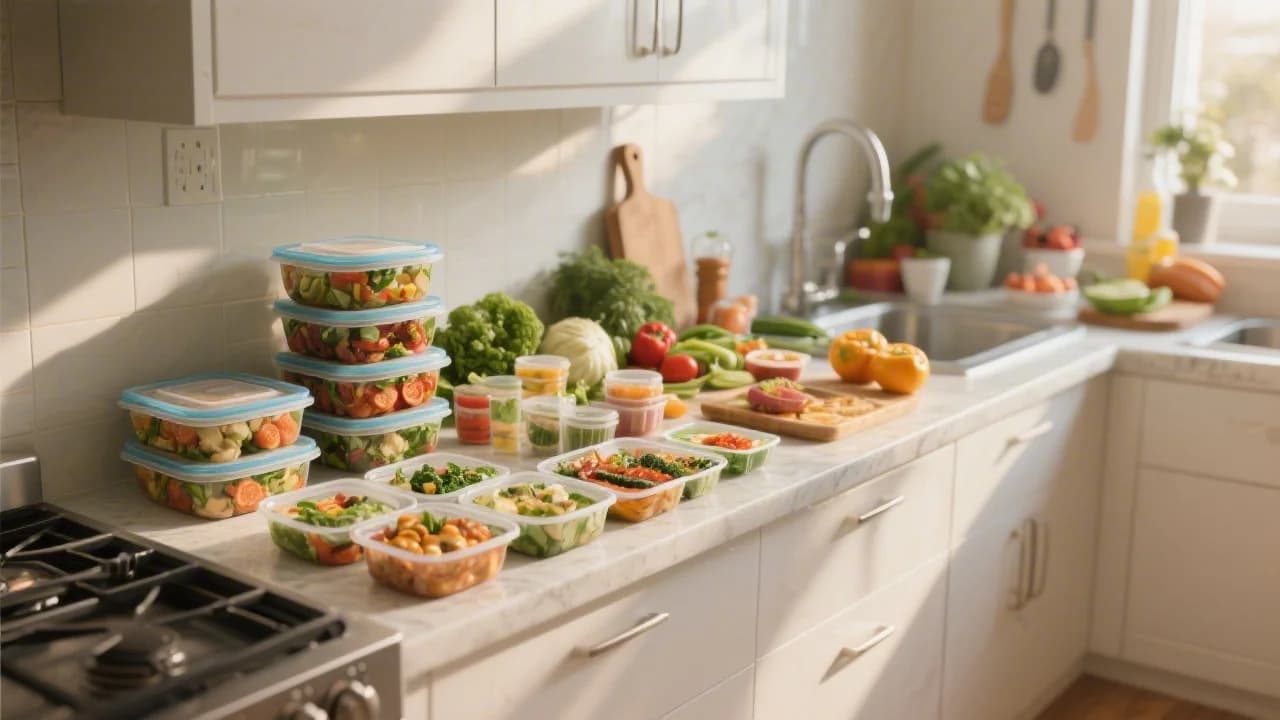
In our fast-paced world, maintaining a healthy diet often feels like an uphill battle. Juggling work, family, and personal commitments leaves little time for cooking elaborate, nutritious meals daily. This is where meal prepping steps in as your ultimate secret weapon. Imagine reclaiming hours of your week, reducing stress, saving money, and consistently fueling your body with wholesome food – all by dedicating just two strategic hours to your kitchen.
Meal prepping isn't just a trend; it's a sustainable lifestyle change backed by numerous benefits. Studies have shown that individuals who meal prep tend to consume more fruits and vegetables, have better diet quality, and are more likely to achieve their health and fitness goals. It eliminates the dreaded 'what's for dinner?' dilemma, reduces impulsive unhealthy food choices, and gives you complete control over your ingredients and portion sizes.
The idea of preparing an entire week's worth of food in just 120 minutes might seem daunting, even impossible, but with the right strategy, tools, and a dash of discipline, it's entirely achievable. This guide will break down the process into actionable phases, transforming you into a meal prep maestro. We'll cover everything from intelligent planning and smart shopping to efficient cooking techniques and proper storage. Get ready to revolutionize your relationship with food and free up valuable time, all while enjoying delicious, healthy meals throughout your week.
"Meal prepping is not just about saving time; it's about investing in your health, your peace of mind, and your future."
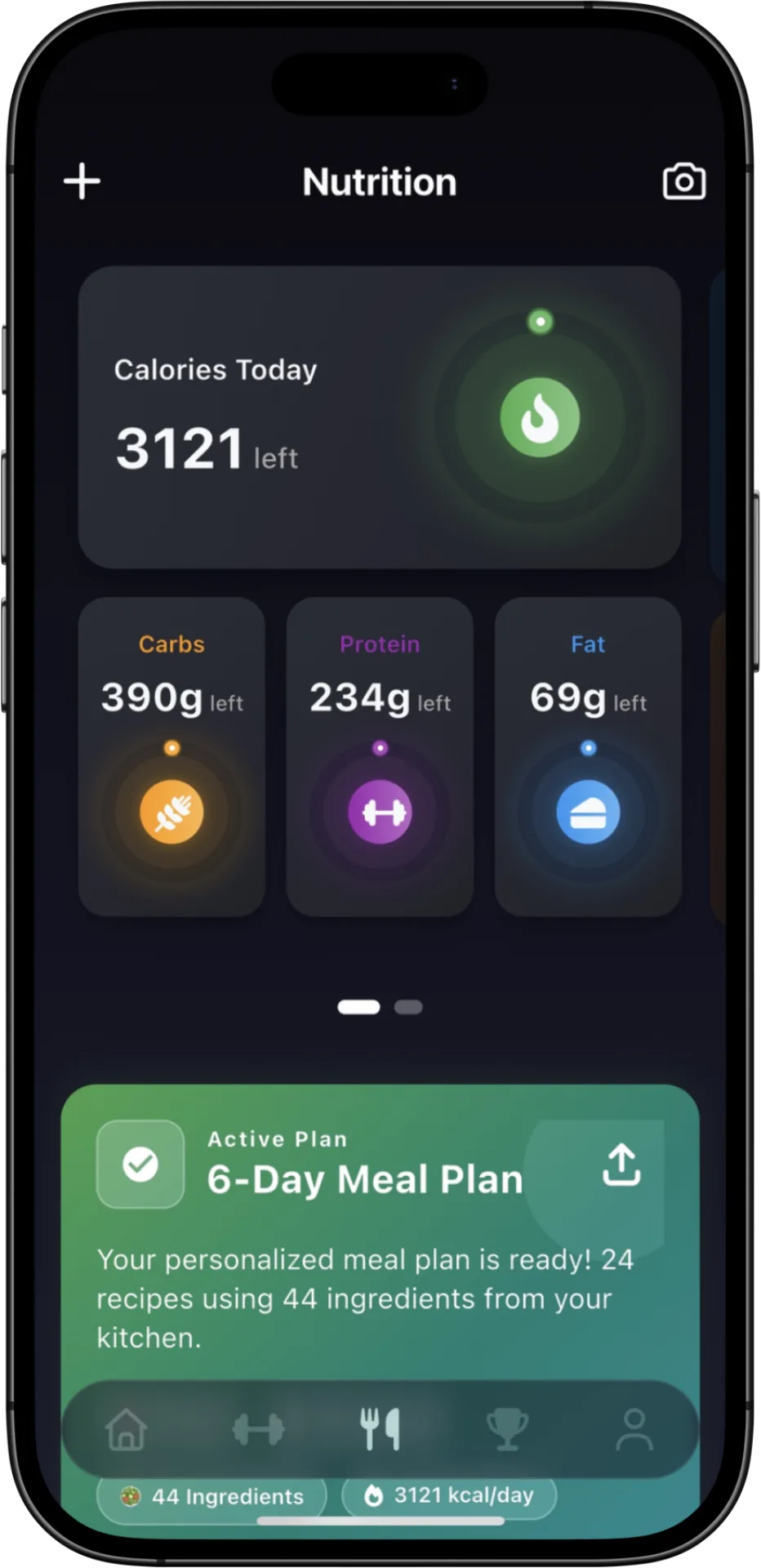
With FitFlow, your meal prep journey becomes even smoother. Our app helps you define your goals, track your nutrition, and access a vast database of recipes, making the planning and tracking aspects of meal prep virtually effortless. Let's dive in and unlock the power of the two-hour prep.
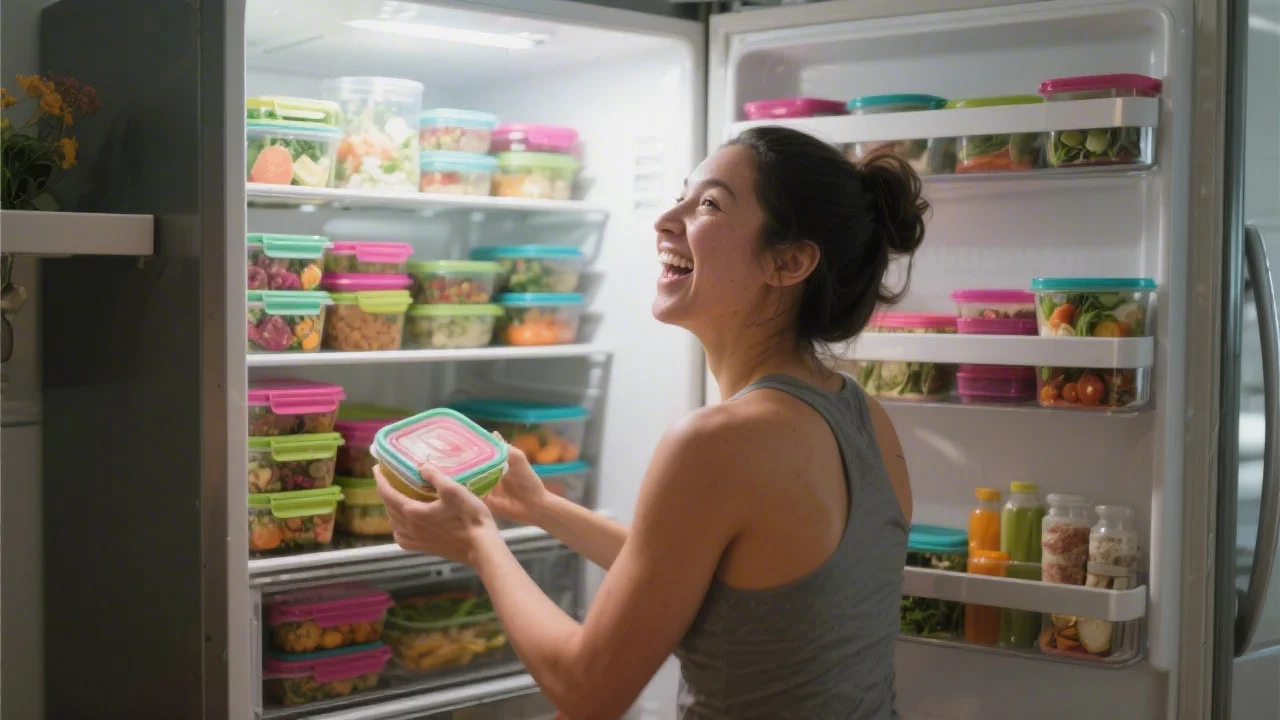
Phase 1: Strategic Planning & Smart Shopping
Define Your Goals & Dietary Needs
Before you even think about chopping an onion, the first crucial step is to clearly define your health and fitness goals. Are you aiming for weight loss, muscle gain, or simply to maintain a healthy lifestyle? Your goal will dictate your caloric intake, macronutrient ratios (protein, carbs, fats), and the types of foods you prioritize. For instance, a muscle gain plan might focus on higher protein and complex carbohydrates, while a weight loss plan might emphasize lean protein and non-starchy vegetables with controlled carb portions.
Equally important are your dietary preferences and restrictions. Whether you're vegetarian, vegan, keto, paleo, or have specific allergies like gluten or dairy, your meal plan must accommodate these. Ignoring them leads to frustration and wasted effort.
FitFlow can be an invaluable partner in this initial phase. Our app allows you to set custom meal plans tailored precisely to your weight loss or muscle gain goals. You can easily select and track dietary preferences such as vegetarian, vegan, keto, paleo, and gluten-free, ensuring every meal aligns with your personal needs. Furthermore, FitFlow's allergen and dietary restriction marking feature helps you avoid ingredients that don't suit you, making your planning foolproof.
Recipe Selection & Meal Matrix
The key to a successful two-hour prep is simplicity and versatility. Don't try to cook seven different gourmet meals. Instead, focus on a 'meal matrix' approach:
- Choose 2-3 Protein Sources: Think versatile options like chicken breast, lean ground turkey, salmon fillets, tofu, or hard-boiled eggs. These can be cooked in bulk and then adapted for different meals.
- Select 2-3 Complex Carb Sources: Brown rice, quinoa, sweet potatoes, oats, or whole-wheat pasta are excellent choices. Cook a large batch of each.
- Load Up on Vegetables: Broccoli, bell peppers, spinach, green beans, asparagus, carrots, and zucchini are fantastic. They add volume, nutrients, and flavor. Roast, steam, or sauté them in large quantities.
- Healthy Fats: Avocados, nuts, seeds, and olive oil are essential. These are usually added fresh or used for cooking.
Once you have your core components, you can mix and match them to create varied meals throughout the week. For example, roasted chicken, brown rice, and steamed broccoli for Monday lunch can become chicken and veggie stir-fry with quinoa for Tuesday dinner. This strategy minimizes cooking time while maximizing variety.
Leverage FitFlow's Recipe Builder here. You can input your homemade meals, and the app will provide full nutritional breakdowns, ensuring your planned meals hit your macro and calorie targets accurately. This takes the guesswork out of meal planning and ensures your prep is nutritionally sound.
The Master Shopping List
With your goals, dietary needs, and meal matrix in hand, create a detailed shopping list. Group items by grocery store aisle (produce, dairy, meat, pantry staples) to save time at the store. Before heading out, always check your pantry and fridge for existing ingredients to avoid buying duplicates.
Phase 2: The Two-Hour Kitchen Blitz - Execution Strategies
Prep Your Prep Station (15 minutes)
Efficiency starts before you even turn on the stove. Treat your kitchen like a professional chef's station:
- Clean & Clear: Ensure your countertops are spotless and clutter-free. You'll need ample space.
- Gather Tools: Pull out all necessary pots, pans, baking sheets, cutting boards, knives, measuring cups, and storage containers. Having everything within reach prevents frantic searching mid-cook.
- Mise en Place: This French culinary term means 'everything in its place.' It's critical for speed. Wash and chop all your vegetables first. Measure out spices, open cans, and portion out meats. This upfront investment of 15 minutes will save you much more time during the actual cooking phase.
Multitasking Marvels (60-75 minutes)
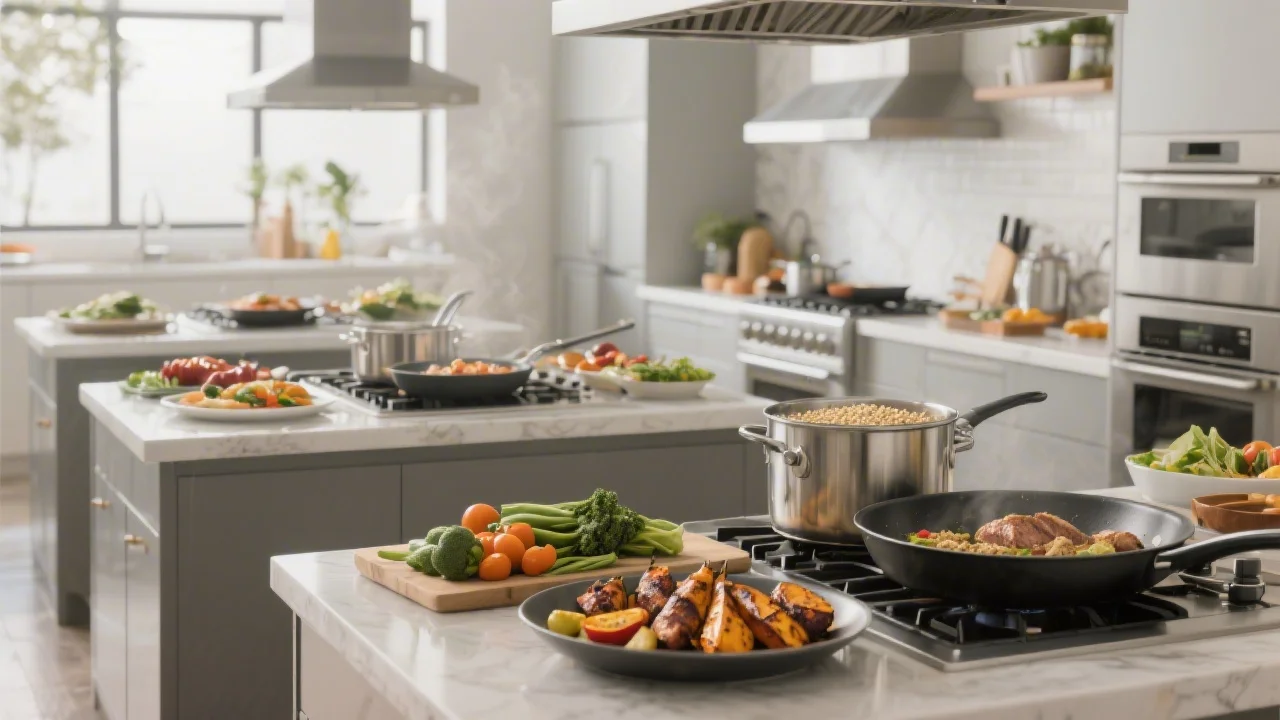
This is where the magic happens. The core of the two-hour prep lies in simultaneous cooking. Think of your kitchen as an orchestra, with different sections playing at once:
- Oven Power (Set & Forget): Preheat your oven. This is perfect for roasting vegetables (broccoli, bell peppers, sweet potatoes) and baking proteins (chicken breasts, salmon fillets). Toss veggies with olive oil and seasoning, spread them on baking sheets. Place your proteins on another. Set a timer and let the oven do its work.
- Stovetop 1 (Grains & Starches): While the oven is busy, get your grains cooking. Start a large pot of brown rice or quinoa. These often take 20-40 minutes, perfect for simultaneous cooking.
- Stovetop 2 (Sauté & Steam): Use your second burner for quick-cooking items. Sauté ground turkey or beef, steam green beans, or quickly wilt spinach. If you're doing hard-boiled eggs, get those going here too.
- Instant Pot/Slow Cooker (Bonus): If you have an Instant Pot or slow cooker, use it! It's fantastic for hands-off cooking of shredded chicken, pulled pork, or large batches of chili that can be portioned later.
The trick is constant movement. While rice is simmering, chop more vegetables for a different dish. While chicken bakes, portion out dressing or prepare salad greens. Minimize downtime by always having a task at hand.
Assembly Line Efficiency (15-30 minutes)
Once everything is cooked, the final sprint is assembly. Allow hot foods to cool slightly to prevent condensation and bacterial growth in your containers. Then, set up an assembly line:
- Line up your meal prep containers.
- Add your cooked protein to each.
- Add your cooked carb source.
- Add your cooked vegetables.
- Add any fresh components like salad greens or a side of dressing.
This systematic approach ensures consistent portions and speeds up the process significantly.
Phase 3: Smart Storage & Food Safety
The Right Containers
Investing in quality storage containers is non-negotiable for successful meal prepping. Look for:
- Airtight Seals: Crucial for freshness and preventing leaks.
- Material: Glass containers are excellent for reheating (microwave and oven safe) and don't absorb food odors or stains. BPA-free plastic is lighter and more durable for on-the-go meals.
- Portion Sizes: Choose containers that match your target meal sizes. Compartmentalized containers are great for keeping components separate until reheating.
Cooling & Refrigeration
Food safety is paramount. Rapid cooling is essential to prevent bacterial growth. Here's how:
- Cool Completely: Never put hot food directly into the refrigerator, as it can raise the internal temperature of your fridge, affecting other foods and creating a breeding ground for bacteria. Spread cooked food on a clean baking sheet to cool faster, or divide it into smaller, shallow containers before refrigerating.
- Refrigeration Time: Most properly stored, cooked meals are safe in the refrigerator for 3-4 days. Plan your meals accordingly, prioritizing items with shorter shelf lives for the first few days of the week.
Freezing for Longevity
For meals intended for later in the week (beyond 3-4 days) or for future weeks, freezing is your best friend. Many foods freeze exceptionally well:
- Proteins: Cooked chicken, ground meats, chili, stews.
- Carbs: Cooked rice, quinoa, pasta (slightly undercooked is best).
- Vegetables: Roasted root vegetables, steamed broccoli (blanching before freezing helps maintain texture).
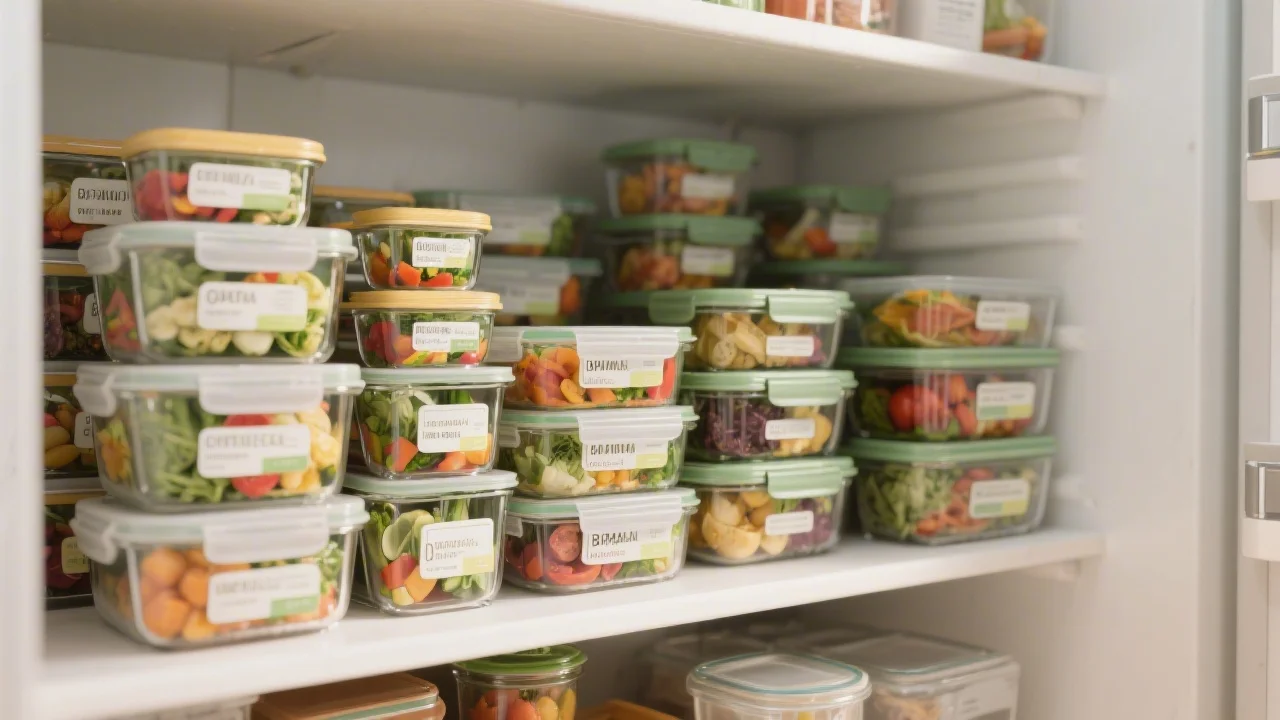
Label everything with the date and contents. Thaw frozen meals in the refrigerator overnight before reheating.
Beyond the Prep: Tracking & Adjusting
Monitoring Your Intake
Once your meals are prepped and ready, the next step is to ensure they're effectively contributing to your goals. It's not enough to just eat healthy; you need to know if you're hitting your calorie and macro targets, especially if you have specific weight loss or muscle gain objectives.
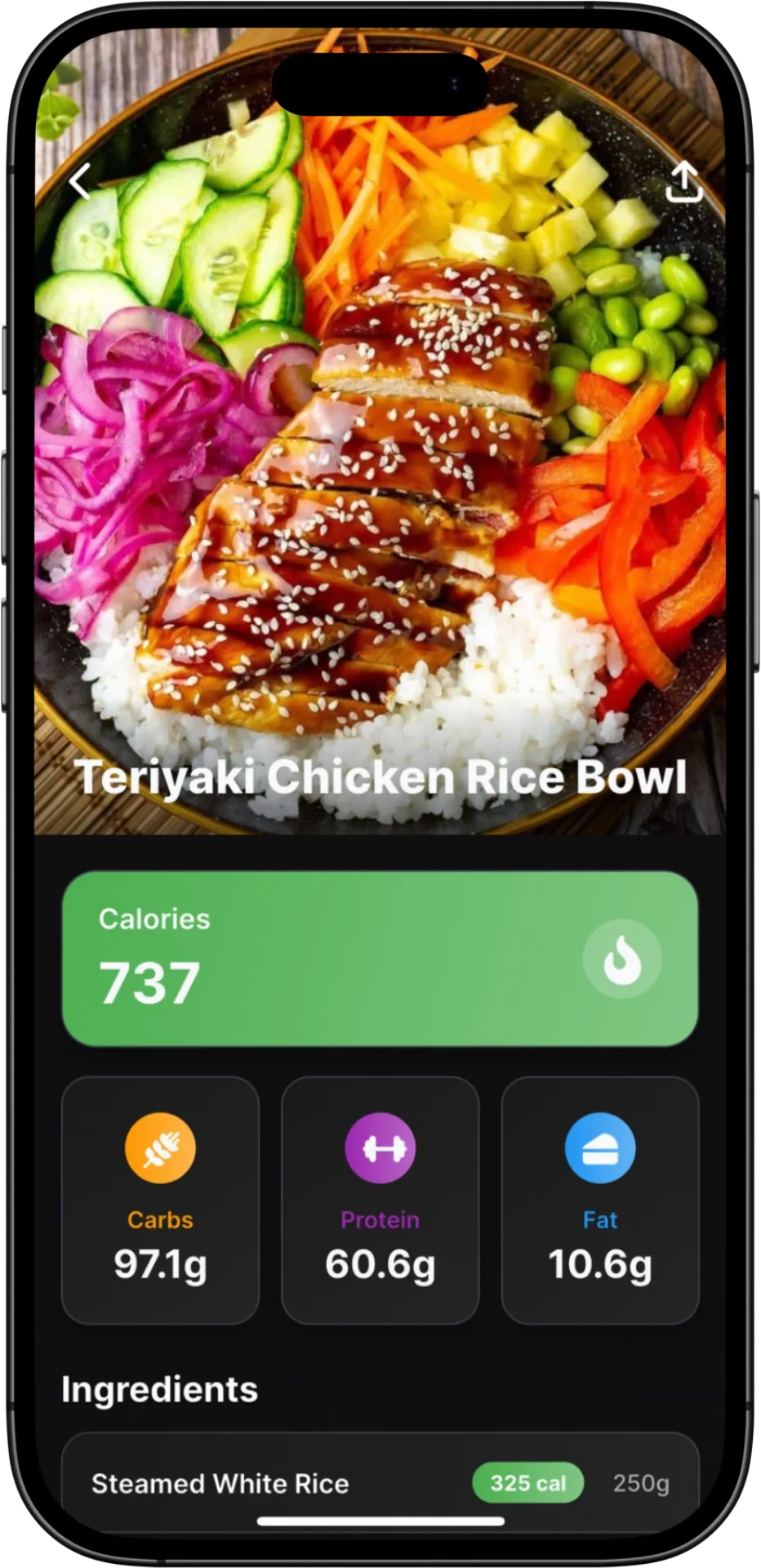
This is where FitFlow truly shines as your daily companion. Our AI Food Scanning & Nutrition Tracking feature makes logging your prepped meals incredibly efficient. Simply snap a photo of your meal, and FitFlow provides instant calorie counts and macro breakdowns for protein, carbs, and fats. It recognizes over 2 million foods from photos and has a database of 14 million+ items, including official nutritional data from major restaurant chains. This process is up to 5x faster than manual logging, automating 80% of your food tracking and giving you accurate insights without the hassle.
Adjusting for Progress
The beauty of consistent tracking is the data it provides. Are you feeling satiated? Are your energy levels consistent? Are you seeing progress towards your weight or body fat goals? FitFlow's detailed fitness and nutrition analytics, complete with progress charts, allow you to visualize your intake over time. If you notice you're consistently under-eating protein for muscle gain, or perhaps consuming too many carbs for a keto diet, you can easily adjust your next meal prep plan. This data-driven approach turns your kitchen blitz into an evolving strategy, optimizing your health outcomes week after week.
Common Meal Prep Mistakes & How to Avoid Them
Even seasoned meal preppers can stumble. Being aware of common pitfalls can save you time, food, and frustration:
- Overcooking or Undercooking: This is a common issue, especially with proteins and vegetables. Invest in a good meat thermometer. For vegetables, cook them al dente if you plan to reheat, as they'll continue to cook.
- Not Enough Variety: Eating the same meal five days in a row can lead to palate fatigue and make you crave unhealthy alternatives. Use the meal matrix approach to mix and match components, or vary your seasonings and sauces daily.
- Forgetting Snacks: Skipping snacks can lead to hunger pangs and impulsive unhealthy choices. Prep healthy snacks like portioned nuts, fruit, yogurt, or veggie sticks with hummus.
- Poor Portion Control: Eyeballing portions can lead to over or under-eating. Use a food scale, especially when you're starting, and rely on your FitFlow app for accurate nutritional breakdowns.
- Ignoring Food Safety: Improper cooling or storage can lead to food spoilage and illness. Always cool food rapidly and store it in airtight containers in the refrigerator within two hours of cooking.
- Trying to Do Too Much Too Soon: If you're new to meal prepping, don't try to prep every single meal for the entire week from day one. Start with lunches, then add dinners, then breakfasts. Build up your skills and confidence gradually.
- Lack of Proper Containers: Using flimsy or non-airtight containers is a recipe for disaster, leading to soggy food and wasted effort. Good containers are an investment in your health.
Sample 2-Hour Meal Prep Plan
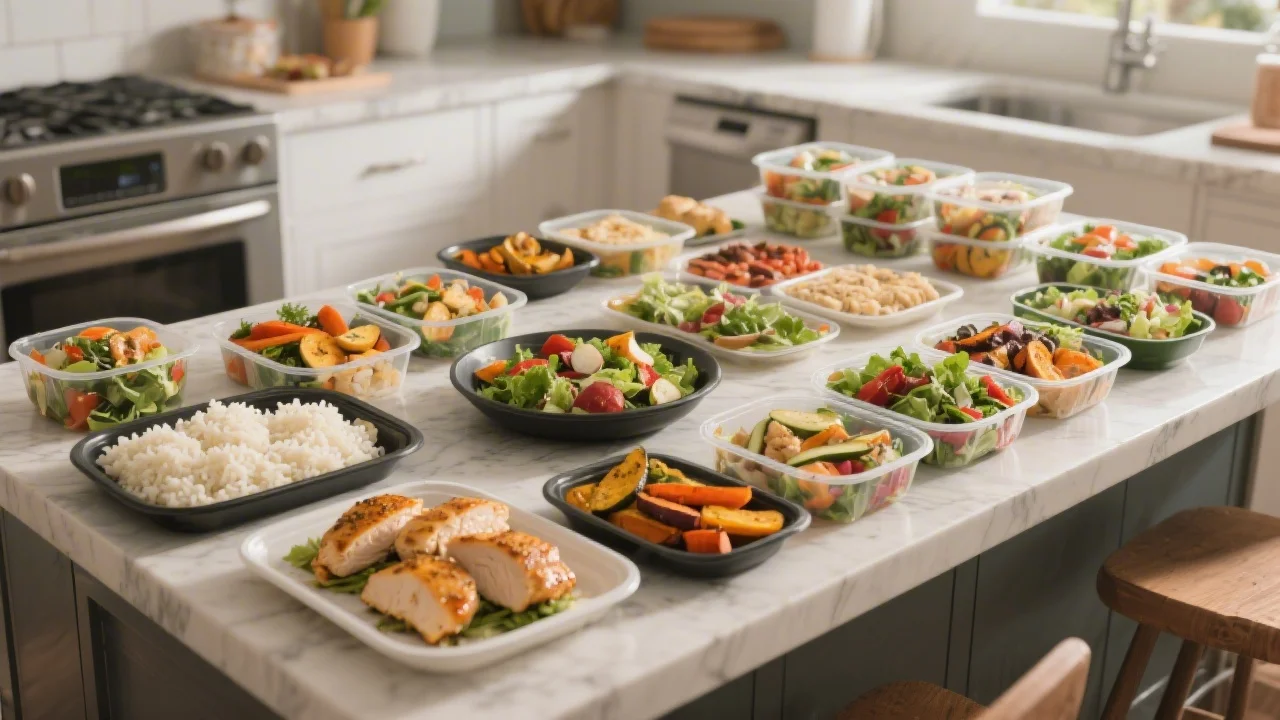
Here's a practical example of how you can structure your two-hour kitchen blitz for a week of healthy meals:
The Menu:
- Proteins: Roasted Chicken Breast, Hard-Boiled Eggs
- Carbs: Brown Rice, Roasted Sweet Potatoes
- Vegetables: Steamed Broccoli, Sautéed Bell Peppers & Onions, Fresh Spinach
- Healthy Fats: Olive Oil, Avocados (add fresh), Almonds
The 2-Hour Timeline:
0-15 Minutes: Prep Station Setup & Chopping
- Clear counters, gather tools.
- Wash and chop all chicken breasts, sweet potatoes, broccoli, bell peppers, and onions.
- Preheat oven to 400°F (200°C).
15-75 Minutes: Simultaneous Cooking (60 minutes active cooking)
- Oven (Set Timer for 30-35 min): Toss chopped sweet potatoes and bell peppers/onions with olive oil and seasoning on one baking sheet. Place chicken breasts (seasoned) on another. Put both in the oven.
- Stovetop 1 (Set Timer for 25-30 min): Start a large pot of brown rice (follow package directions).
- Stovetop 2 (Continuous): While rice cooks, start a pot for hard-boiled eggs (10-12 minutes). Once eggs are done, use the same pot to steam broccoli (5-7 minutes).
- Mid-Cook: Flip chicken and veggies in the oven. Prepare dressings or portion out nuts/seeds for snacks.
75-105 Minutes: Cooling & Assembly (30 minutes)
- Remove all cooked items from heat. Allow them to cool slightly.
- Set up your assembly line: line up 5-7 containers.
- Portion chicken, brown rice, roasted sweet potatoes, and steamed broccoli into various combinations for lunches and dinners.
- For breakfasts, portion hard-boiled eggs with some fresh spinach.
105-120 Minutes: Final Touches & Clean Up (15 minutes)
- Add fresh components like avocado slices (for immediate consumption) or a side of dressing.
- Seal all containers tightly.
- Clean up your kitchen as you go, or dedicate the last 15 minutes to a quick tidy.
This plan yields versatile components that can be combined for meals like:
- Chicken & Rice Power Bowl: Chicken, brown rice, steamed broccoli, a dash of soy sauce or hot sauce.
- Roasted Veggie & Chicken Salad: Roasted chicken, sweet potatoes, bell peppers, fresh spinach, light vinaigrette.
- Egg & Veggie Scramble (quick reheat): Hard-boiled eggs (chopped), sautéed bell peppers/onions, fresh spinach.
Conclusion: Your Path to Sustainable Healthy Eating
Congratulations! You've just unlocked the blueprint for transforming your weekly eating habits with just two hours of dedicated effort. Meal prepping is more than just cooking; it's a strategic approach to nutrition that empowers you to take control of your health, time, and budget. By committing to this efficient process, you're not just preparing food; you're building a foundation for consistent, healthy choices that will pay dividends in energy, well-being, and peace of mind.
Remember, consistency is key, and perfection isn't the goal. Start small, refine your techniques, and don't be afraid to experiment with different recipes and strategies. Each prep session will make you more efficient, more knowledgeable, and more confident in your ability to fuel your body optimally.
Embrace the journey, celebrate your progress, and let FitFlow be your trusted partner every step of the way. From intelligent planning and tracking your nutrition with AI-powered food scanning to achieving your specific fitness goals, FitFlow provides the tools and motivation you need to make healthy eating an effortless and enjoyable part of your life. Download FitFlow today and start your two-hour meal prep revolution!

FitFlow Editorial Team
Fitness & Nutrition Editorial TeamCertified personal trainers & nutrition coaches
The FitFlow Editorial Team is a group of certified personal trainers, nutrition coaches, and fitness writers who translate exercise science and nutrition research into practical, actionable guidance. Every article is grounded in peer-reviewed sources and reviewed for accuracy before publishing.
Frequently Asked Questions
Who is this guide for?
This guide is for anyone focused on nutrition and looking for practical, sustainable progress.
How quickly can I apply these recommendations?
Most recommendations are designed for immediate implementation. Start with one change today, then layer improvements weekly.
How does FitFlow support this strategy?
FitFlow supports execution with AI-powered meal tracking, workout planning, and progress analytics that help you stay consistent.